From faces composed of fish to cathedrals grown from trees, art takes shape through unexpected materials, tools, and creators.
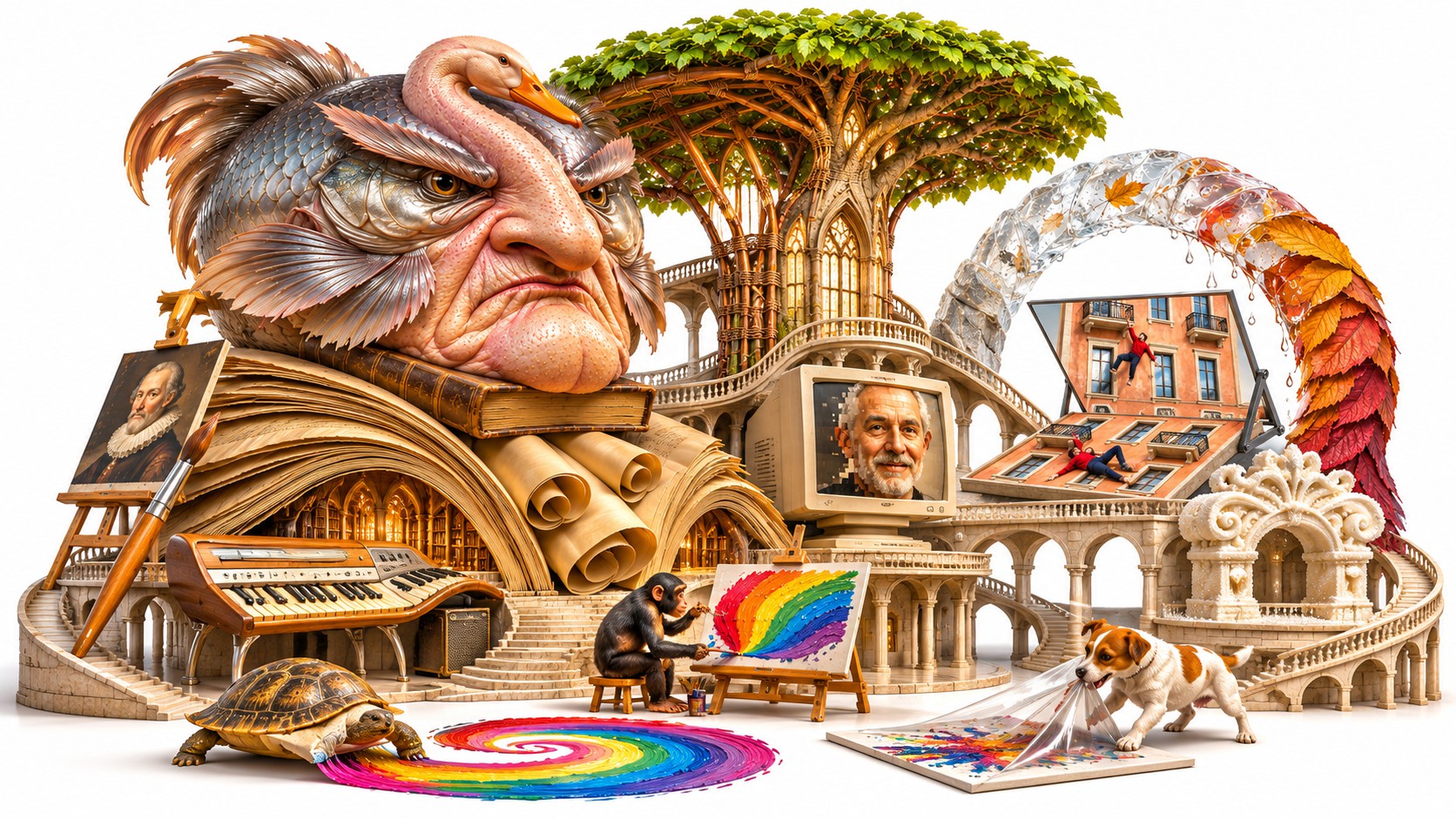
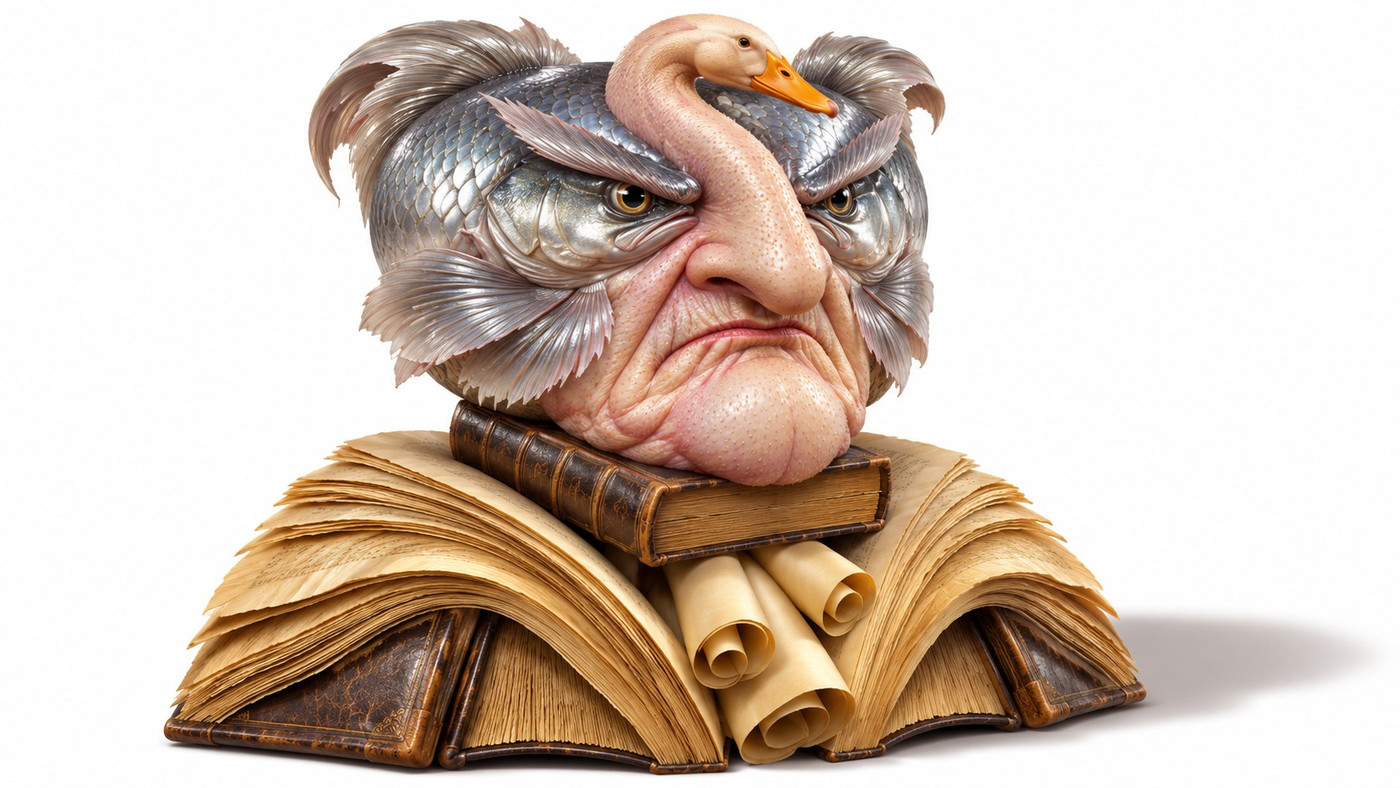
In Giuseppe Arcimboldo's 1566 painting The Jurist, also known as The Lawyer, a man's face is ingeniously assembled from dead fish and plucked poultry, while his body consists of books and legal documents wrapped in a fur-trimmed coat. The bizarre portrait may depict Ulrich Zasius, a lawyer associated with the Holy Roman imperial administration, although his identity remains uncertain. Arcimboldo specialized in creating recognizable human figures from unexpected combinations of everyday objects, and his imaginative compositions were admired by Emperors Maximilian II and Rudolf II. Originally part of the imperial collections in Prague, the painting was brought to Sweden after the Thirty Years' War and is now held by Nationalmuseum in Stockholm.
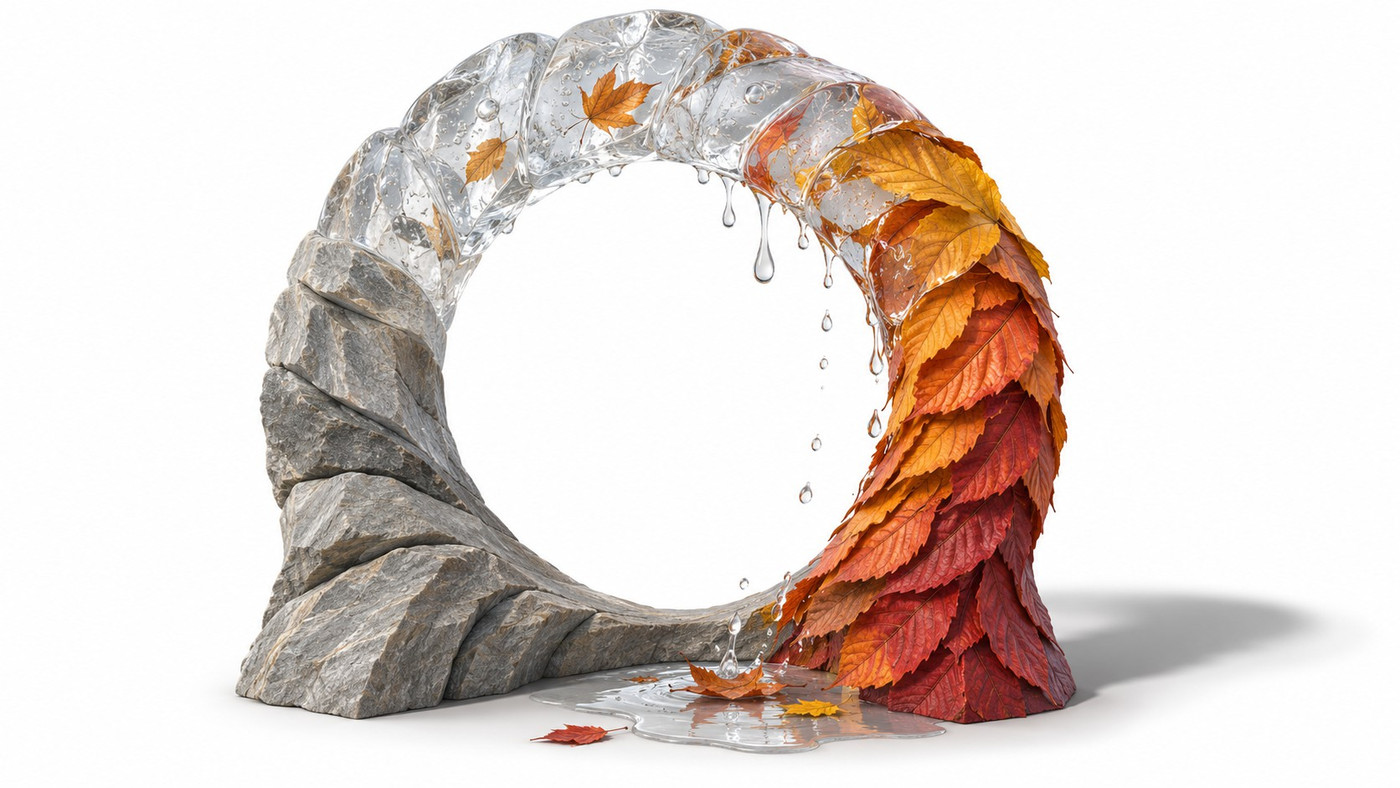
British artist Andy Goldsworthy turns nature into both his studio and his artistic medium, creating sculptures from materials found directly in the landscape, including stones, twigs, leaves, snow, ice, reeds and thorns. Working outdoors in locations ranging from the Scottish countryside and the Yorkshire Dales to Japan, the Australian outback and the North Pole, he creates site-specific compositions that respond to their surroundings. Many of his works are deliberately ephemeral, surviving only briefly before natural forces transform or destroy them. Photography preserves these temporary creations, capturing artistic moments that might otherwise disappear without a trace. Although much of his work embraces impermanence, Goldsworthy also constructs lasting stone installations, demonstrating how the same artistic philosophy can explore both the fleeting and enduring qualities of the natural world.
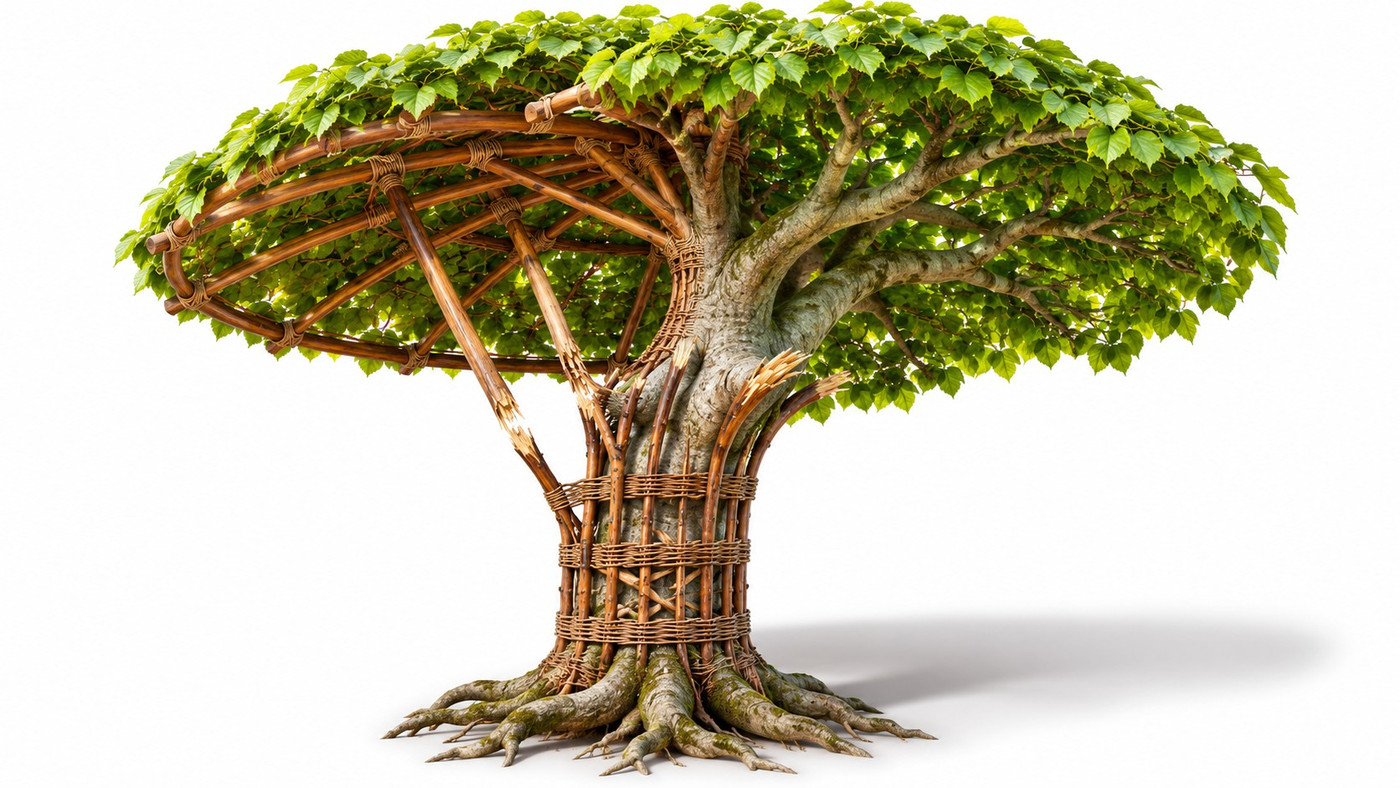
A cathedral designed to grow into a living forest was created in the Italian Alps near Bergamo, where artist Giuliano Mauri envisioned architecture that would gradually replace its own wooden framework with living trees. Completed in 2010 after Mauri's death by his son Roberto and a team of craftsmen, the 650-square-metre Cattedrale Vegetale features five aisles and 42 columns constructed from 1,800 fir poles, 600 chestnut branches and 6,000 metres of hazel branches. A young beech tree was planted inside each column, with the expectation that over approximately 20 years the growing trees would gradually take over as the supporting structures naturally decomposed. Rising up to 21 metres, the cathedral was conceived as an evolving collaboration between human creativity and nature, allowing time, growth and decay to complete the artist's architectural vision.
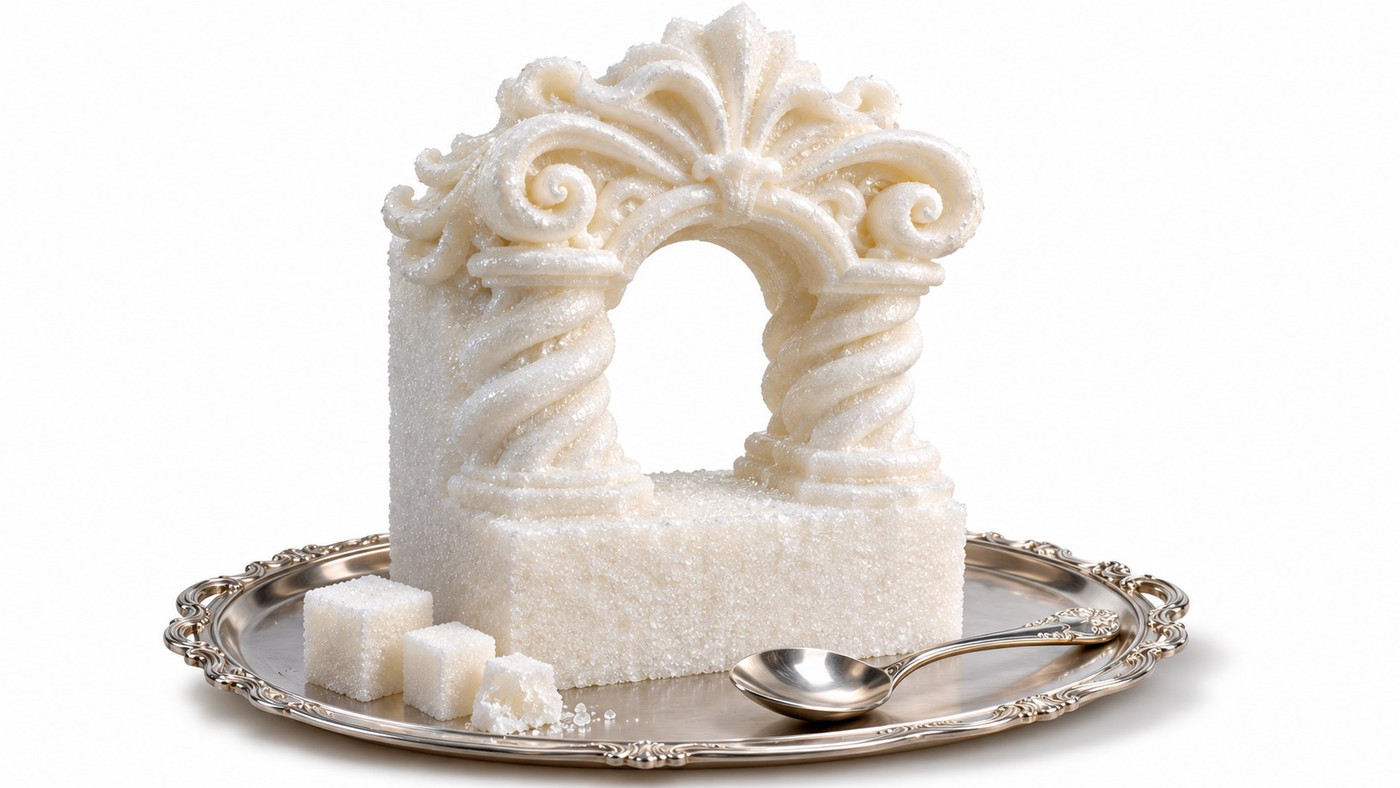
In 17th-century Rome, Johann Paul Schor could move from assisting the celebrated sculptor Gian Lorenzo Bernini to designing elaborate sculptures made entirely of sugar for aristocratic banquets. Born in Innsbruck in 1615 and known in Italy as Giovanni Paolo Tedesco, Schor became one of the most versatile designers of the Roman Baroque. In December 1655, Pope Alexander VII commissioned him to design sugar sculptures for a banquet at the Quirinal Palace honoring Christina of Sweden, the former queen who had converted to Catholicism. Schor also collaborated with Bernini on ceremonial gifts for Christina, including a carriage and other luxurious furnishings. His extraordinary range extended to theatrical scenery, festival decorations, furniture, fountains and monumental carnival floats, demonstrating how Baroque artists applied their creativity to both permanent masterpieces and spectacular temporary displays.
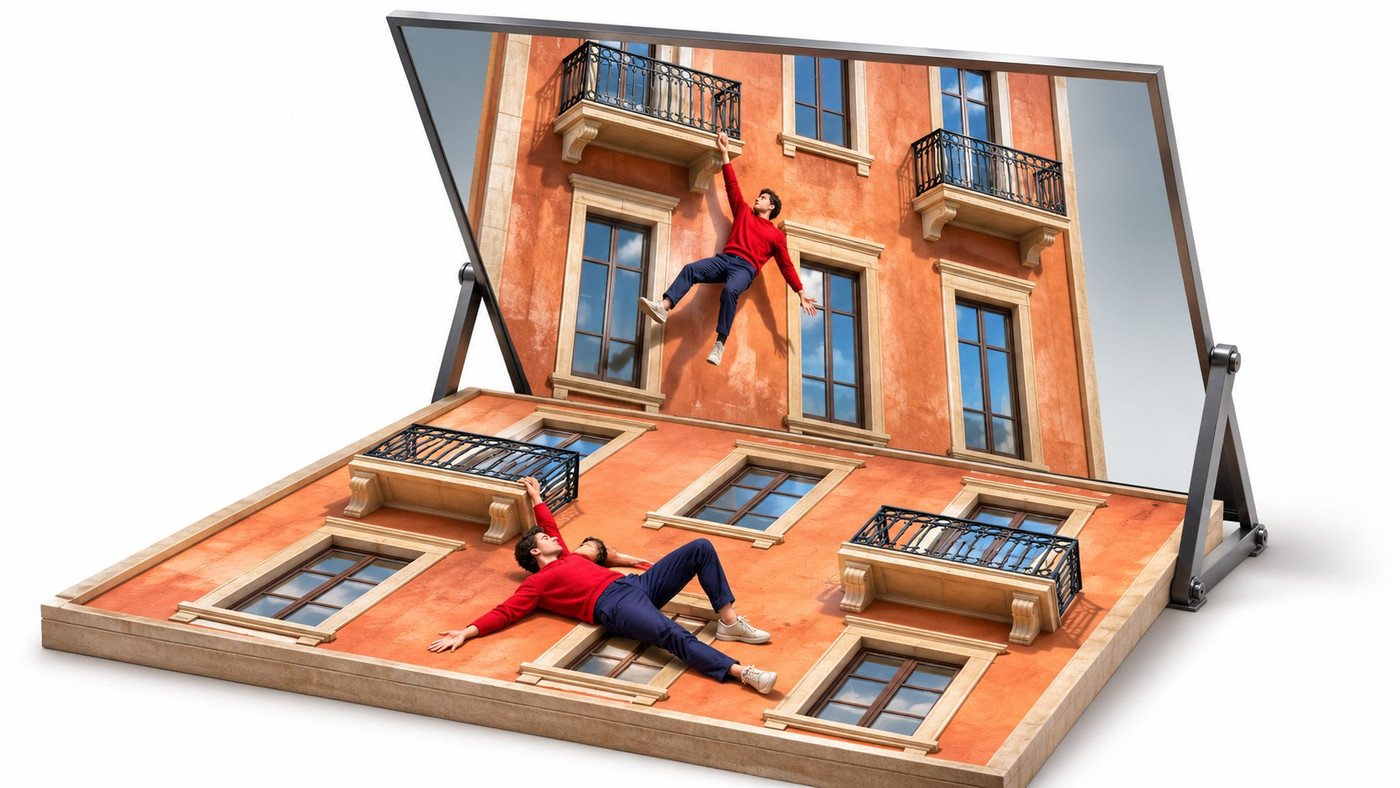
Visitors to Argentine artist Leandro Erlich's installation Bâtiment appear to climb walls, hang from windows and balconies, or perform gravity-defying acrobatics without ever leaving the ground. The illusion is created by a full-scale reproduction of a Parisian building facade laid horizontally beneath a giant angled mirror. When participants lie, stand, or pose on the facade, their reflections make them appear to be scaling a vertical building. Originally created for Paris's Nuit Blanche art festival in 2004 and recreated at the CENTQUATRE-PARIS cultural centre in 2011, the installation transforms ordinary architectural features into an interactive optical illusion. By making spectators both participants and performers, Erlich challenges their assumptions about gravity, perspective and physical reality, demonstrating how a simple arrangement of familiar objects can produce an extraordinary visual experience.
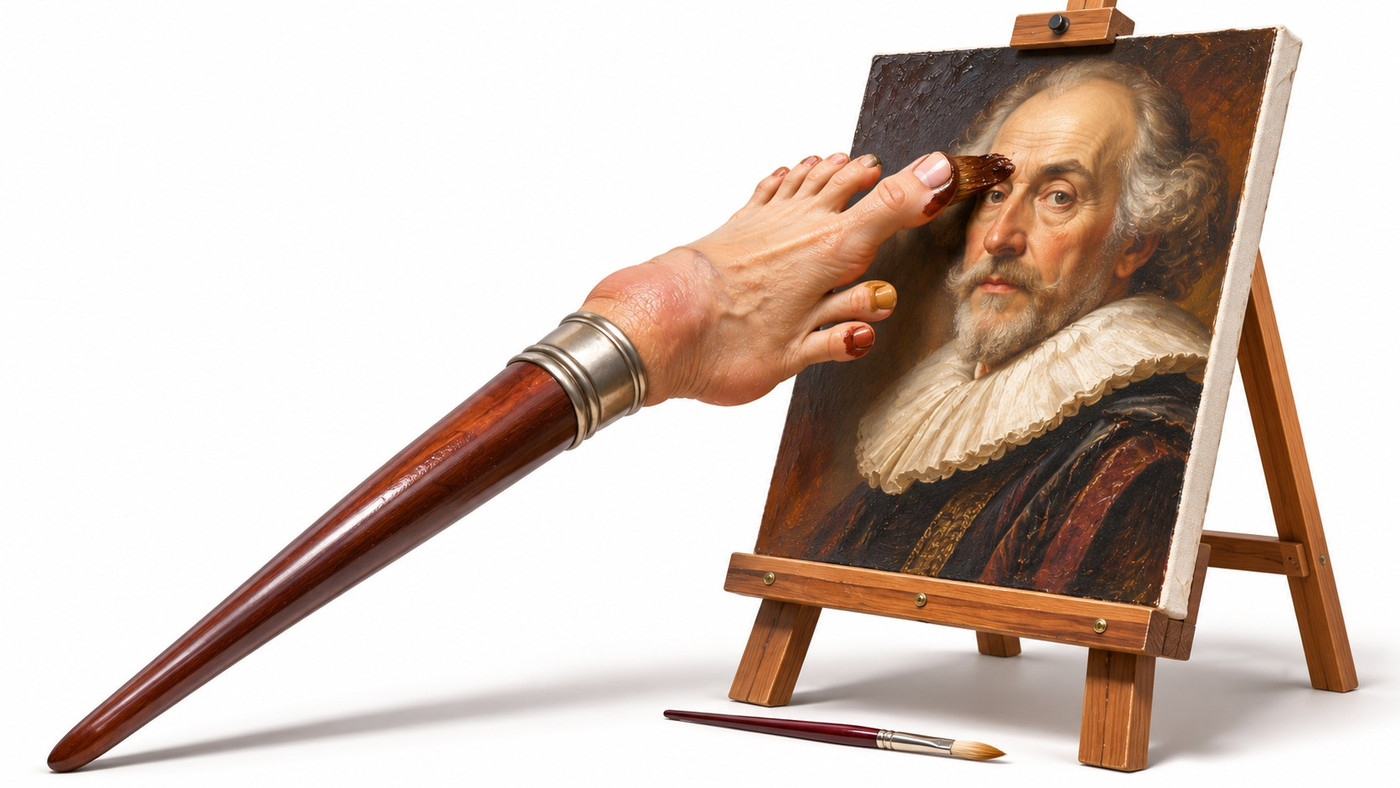
Around 1600, the celebrated Dutch portrait painter Cornelis Ketel began creating paintings with his fingers and even his toes instead of traditional brushes. Born in Gouda in 1548, Ketel established a successful career in London, where he reportedly painted Queen Elizabeth I, before settling in Amsterdam in 1581 and becoming known for his remarkably lifelike portraits and large militia group paintings. His unconventional technique was documented by his contemporary and fellow artist Karel van Mander, who described Ketel's experiments with painting directly by hand and foot. Far from being merely a fanciful anecdote, the practice is supported by Ketel's 1610 will, in which he bequeathed paintings created using these unusual methods to his wife. His experiments demonstrate an extraordinary willingness to challenge conventional artistic techniques even after achieving professional success.
Read more on site Digitale Bibliotheek voor de Nederlandse Letteren
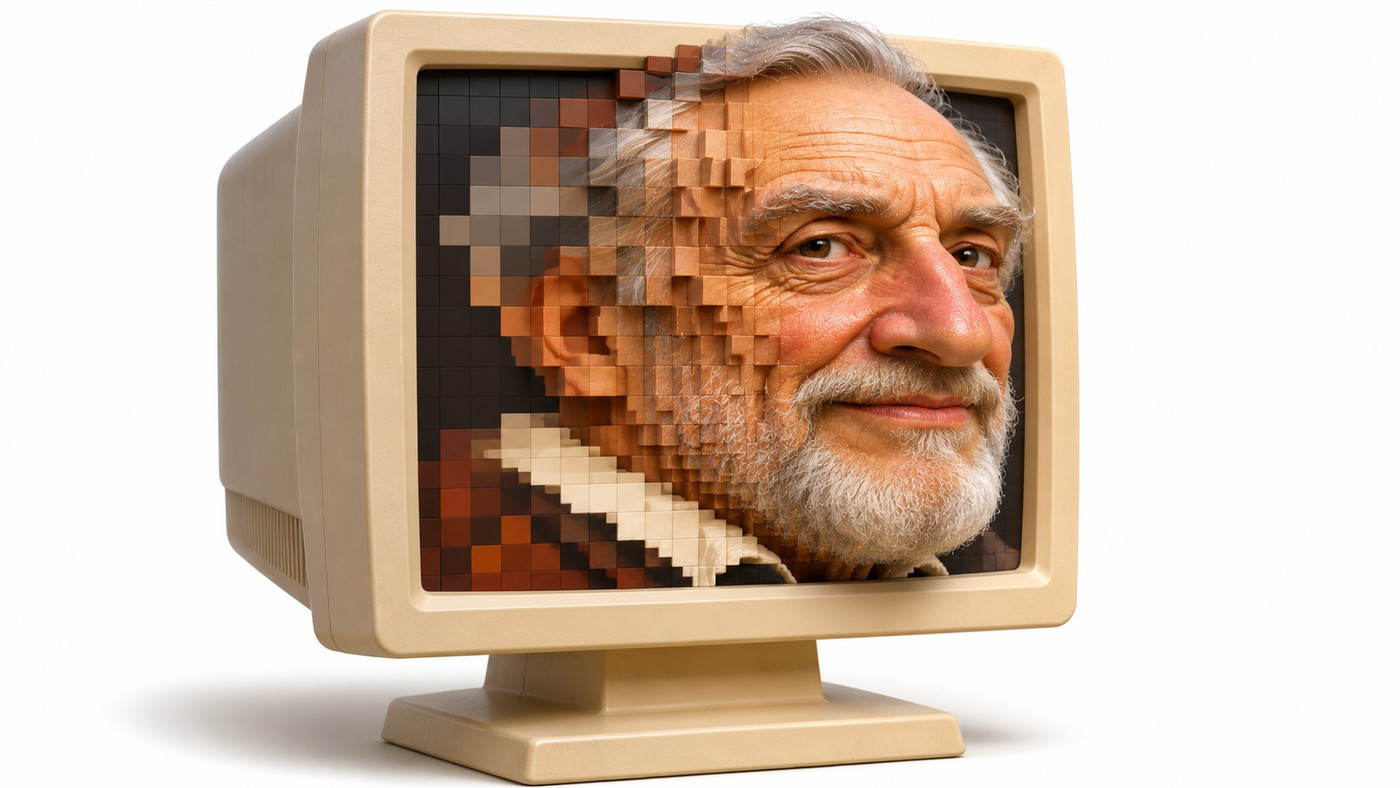
A remarkably lifelike portrait of actor Morgan Freeman was created entirely in Microsoft Paint, the basic drawing program included with Windows. The artist, known online as sonofjay, used the software's simple tools to reproduce Freeman's distinctive facial features, detailed skin texture, gray hair and subtle shading with impressive precision. The artwork was shared on Reddit, and the artist documented its creation through a series of images showing the drawing's development step by step. Despite Paint's limited capabilities compared with professional digital art software, the finished portrait demonstrates how extraordinary patience and technical skill can transform an ordinary computer application into a tool for sophisticated artistic expression.
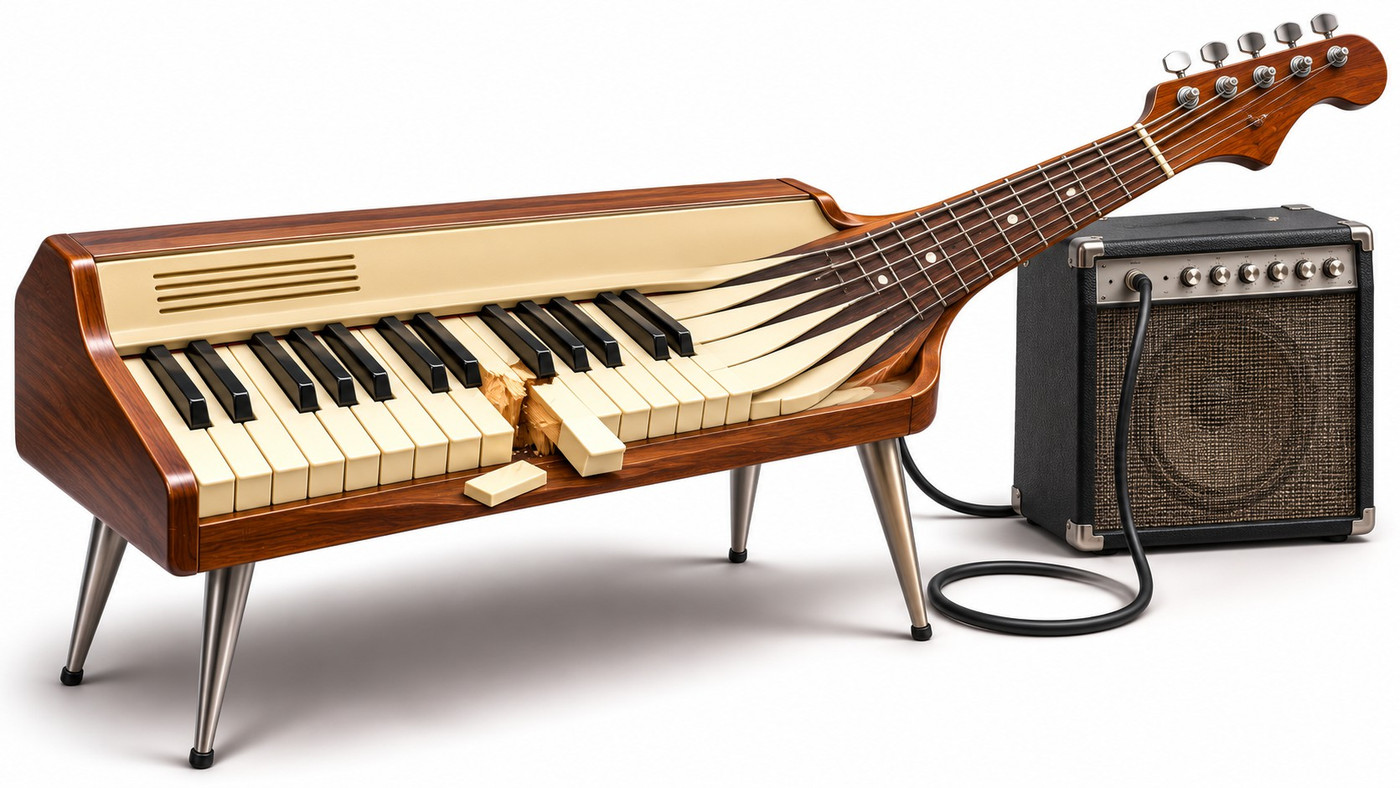
The powerful, guitar-like sound in Van Halen's 1980 song 'And the Cradle Will Rock…' was actually produced by Eddie Van Halen playing a Wurlitzer electric piano through an MXR Flanger effects pedal and Marshall amplifiers. Featured on the band's third album, Women and Children First, the unusual keyboard sound was so heavily distorted that it could easily be mistaken for an electric guitar. In an April 1980 interview with Guitar Player magazine, Van Halen revealed that he had pounded the piano keys so aggressively that he broke two of them. He also recalled buying the instrument in Detroit and developing the song while experimenting with it aboard the band's tour bus. Despite his childhood training in classical piano, Van Halen approached the instrument with the same unconventional energy and experimentation that characterized his guitar playing, transforming an ordinary electric piano into an unexpectedly powerful hard-rock instrument.
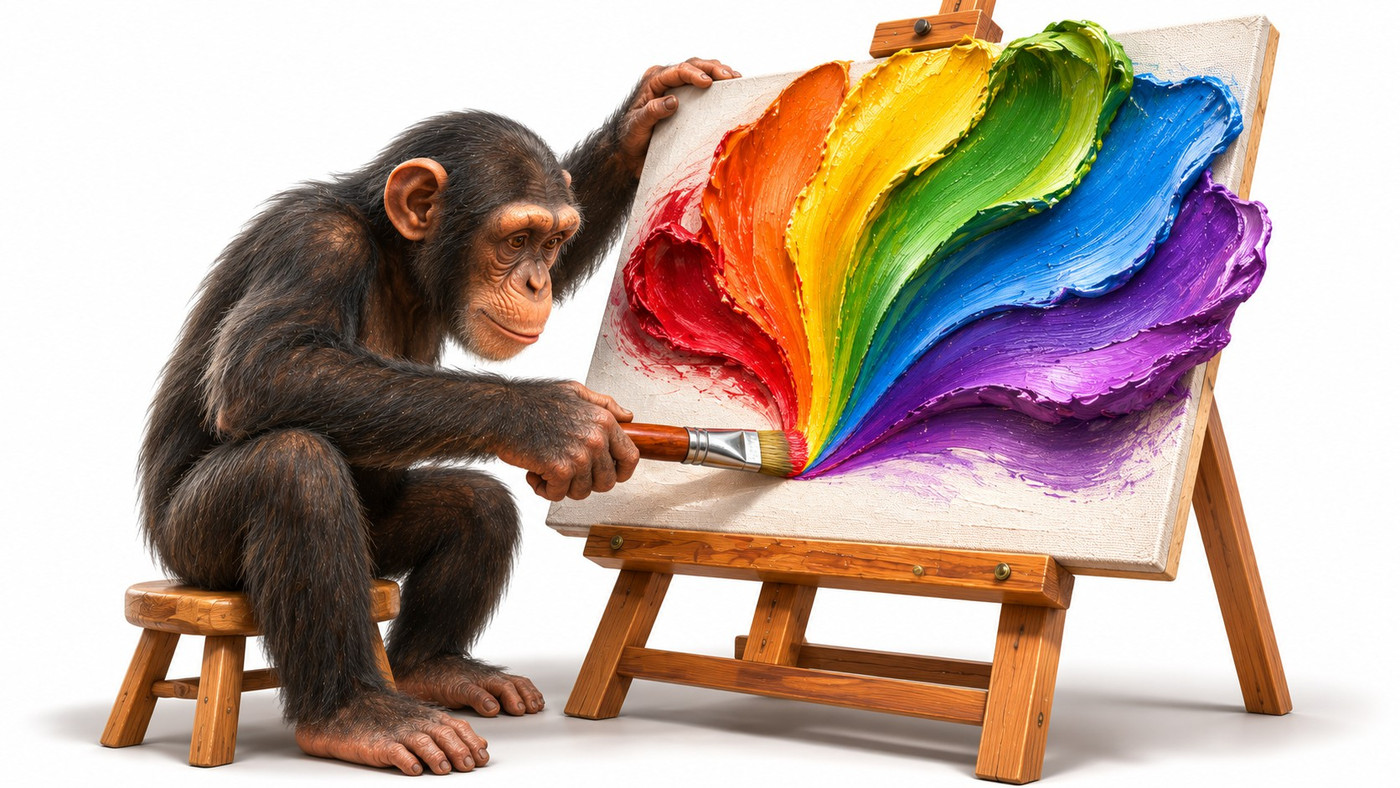
A chimpanzee named Congo created approximately 400 abstract drawings and paintings before dying of tuberculosis at just ten years old in 1964, and three of his artworks later sold for £14,400 at a Bonhams auction in 2005, more than twenty times their estimated value. His remarkable abilities were discovered in the 1950s by British zoologist and artist Desmond Morris, who studied Congo's spontaneous artistic behaviour at London Zoo. Between 1956 and 1959, Congo progressed from making simple pencil marks to experimenting with colours, balancing compositions and developing recurring patterns, particularly distinctive fan-shaped forms. He became so absorbed in painting that he would protest when Morris attempted to end a session before he was finished. His work attracted international attention after an exhibition at London's Institute of Contemporary Arts in 1957, and prominent artists including Pablo Picasso and Joan Miró acquired his paintings. Morris considered Congo's ability to control visual patterns evidence that some foundations of artistic creativity may have evolutionary roots extending beyond humanity.
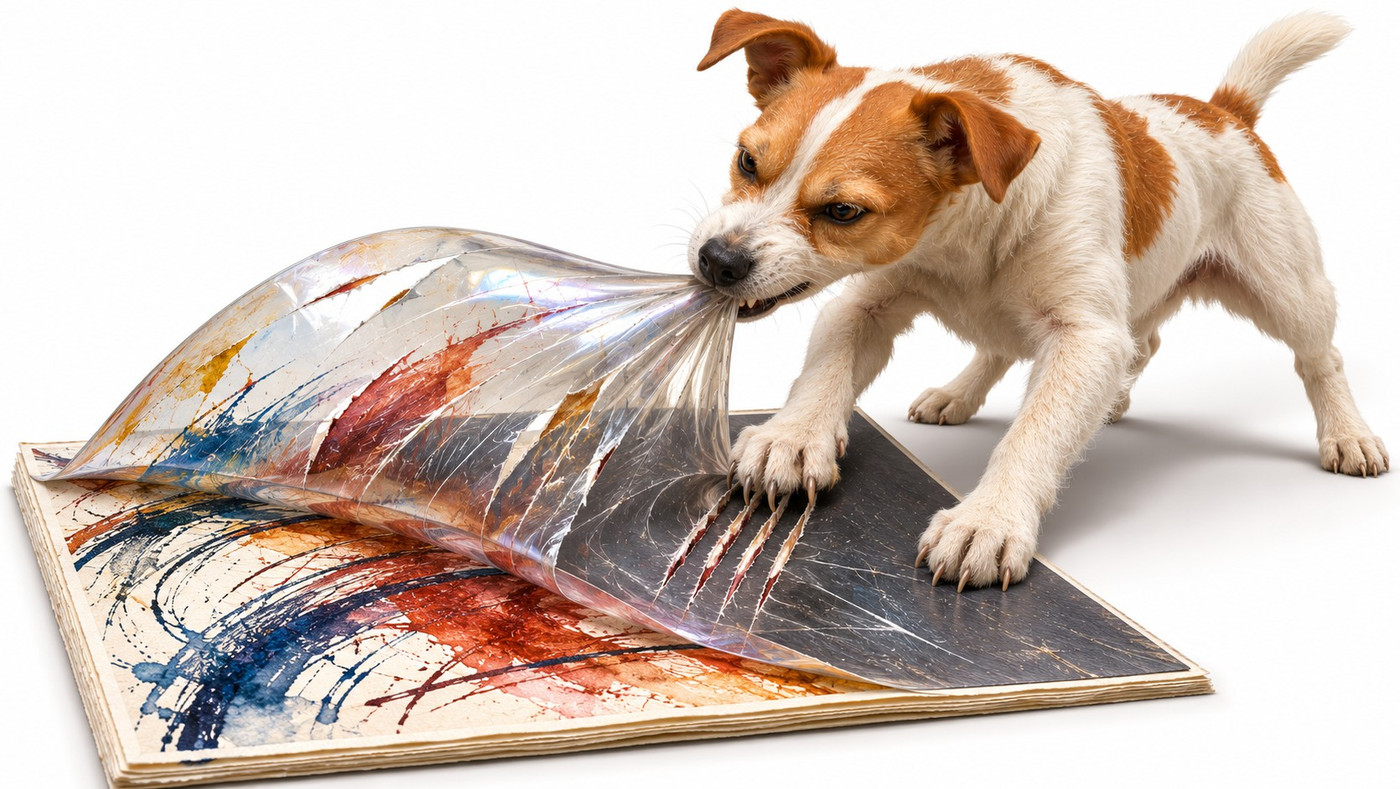
A Jack Russell terrier named Tillamook Cheddar, affectionately known as Tillie, became a successful abstract artist without ever holding a paintbrush. Instead, she created expressive drawings by biting, scratching and pressing her claws against specially prepared sheets of pigment-coated paper, transferring energetic lines and patterns onto the paper underneath. Her owner and artistic assistant, F. Bowman Hastie III, prepared the materials while Tillie supplied the physical movements that produced each composition. Her unusual technique attracted considerable attention in the contemporary art world, leading to more than twenty solo exhibitions across the United States and Europe and over $100,000 in artwork sales. During public demonstrations, Tillie attacked the prepared surfaces with remarkable intensity, producing spontaneous abstract compositions that prompted comparisons with established modern artists. Her unconventional career also raised questions about artistic intention and whether animal behaviour could constitute genuine creative expression.
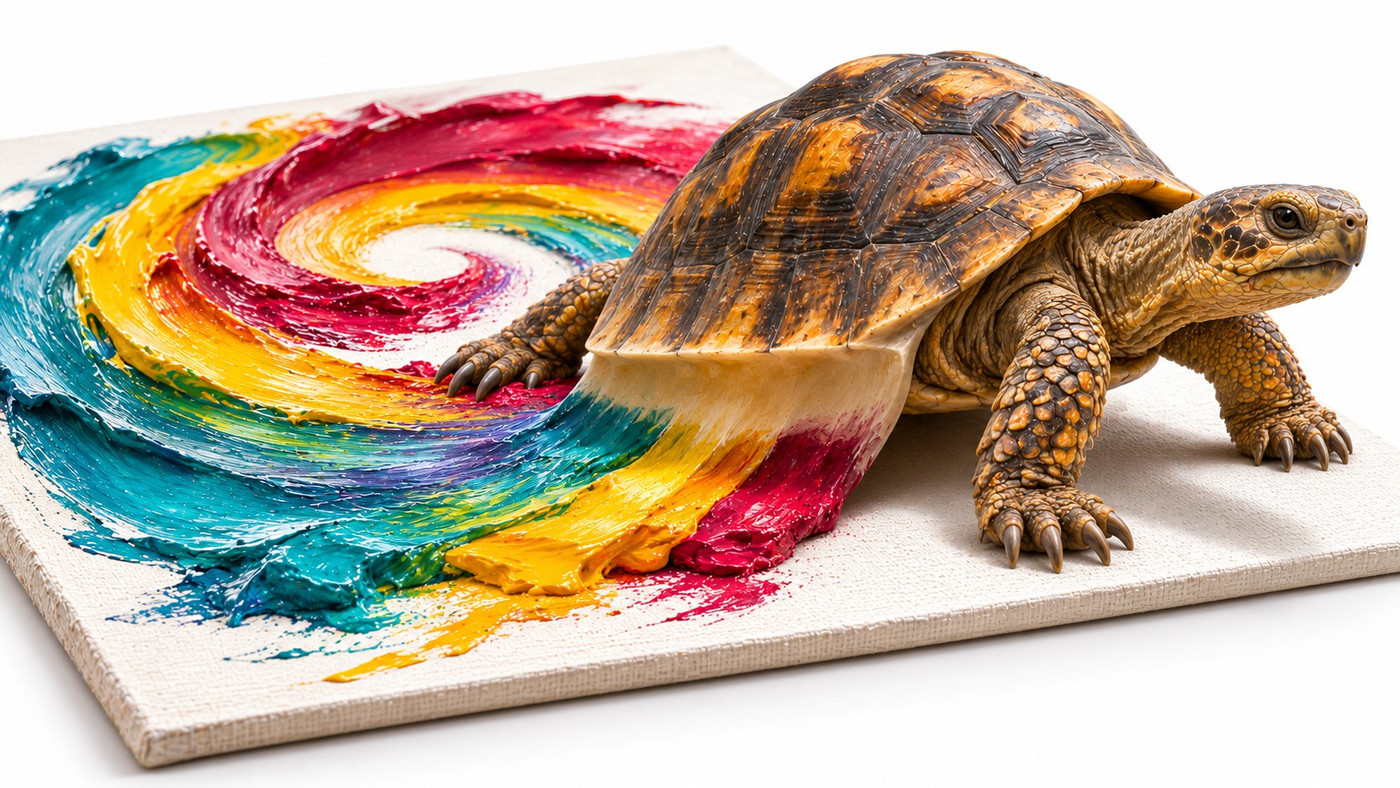
A Gulf Coast box turtle named Koopa became an internationally collected abstract painter, producing more than 800 artworks by crawling through brightly coloured paint with the underside of his shell. His unusual artistic career began in 2003 when his owner, American artist Kira Ayn Varszegi, discovered that he had accidentally blended the colours on her painting palette. Their collaboration developed into a distinctive technique: Varszegi selected and arranged non-toxic paints on a canvas, while Koopa's movements created swirling patterns and intricate colour combinations. His paintings, typically selling for around $100 to $150, eventually reached collectors in all 50 US states and countries including Canada, the Netherlands, Italy, Bahrain and the United Kingdom. Some were displayed in galleries, libraries and public buildings. The project also supported wildlife conservation, with more than $12,000 from painting sales donated to turtle rescue efforts by 2008. Koopa's remarkable artistic career illustrates how animal movement and human artistic direction can combine to produce unexpectedly sophisticated visual compositions.