From fairy-tale breadcrumbs to Teflon dons, cultural symbols become a secret language for power, ambition, and human behavior.

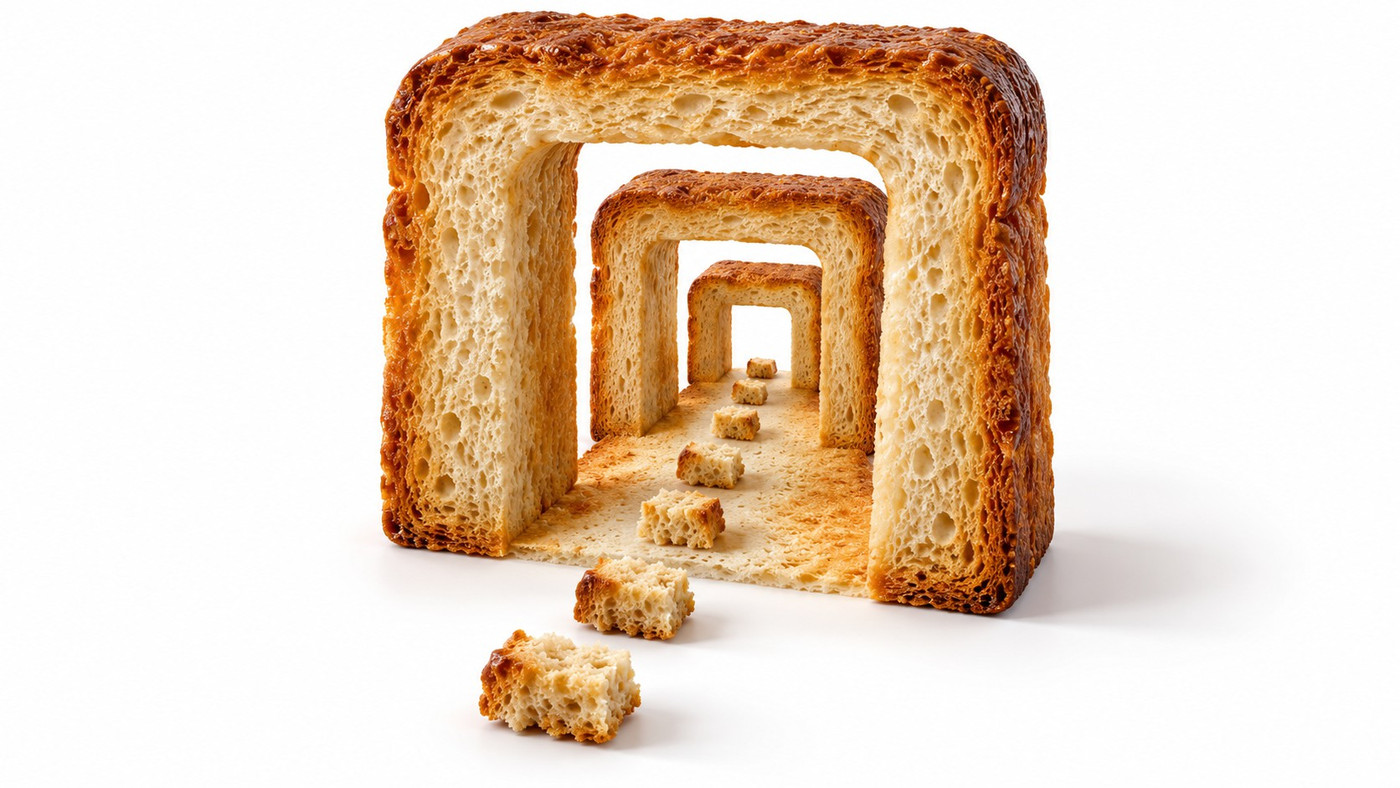
The familiar idea of following a trail of breadcrumbs traces back to the Brothers Grimm fairy tale Hansel and Gretel, in which two children leave breadcrumbs in a forest, hoping to find their way home. The image evolved into a metaphor for following clues or retracing a route through unfamiliar territory. It even inspired a standard feature of modern websites: breadcrumb navigation, a sequence of links that helps visitors understand where they are and find their way back to broader sections. Unlike the fairy-tale trail, however, digital breadcrumbs usually reveal a website's structure rather than the exact path someone traveled.
A little girl searching for the perfect bowl of porridge gave the world a metaphor for finding the ideal balance between extremes. In the fairy tale Goldilocks and the Three Bears, Goldilocks rejects things that are too hot or cold, too big or small, or too hard or soft, choosing what feels 'just right.' Her name has since become an English adjective describing optimal conditions, from a Goldilocks economy with balanced growth to a Goldilocks zone in space, where temperatures may allow liquid water to exist on a planet's surface.

Shangri-La, the legendary Himalayan paradise where peace and wisdom survive untouched by the outside world, was invented by British novelist James Hilton for his 1933 novel Lost Horizon. Inspired by the Tibetan Buddhist legend of Shambhala, Hilton imagined a secluded mountain valley where a community preserves humanity's knowledge against the threat of global catastrophe. The novel's success and its 1937 Hollywood adaptation transformed Shangri-La from a fictional sanctuary into an enduring symbol of earthly paradise, a hidden refuge from conflict, materialism, and the pressures of modern civilization.

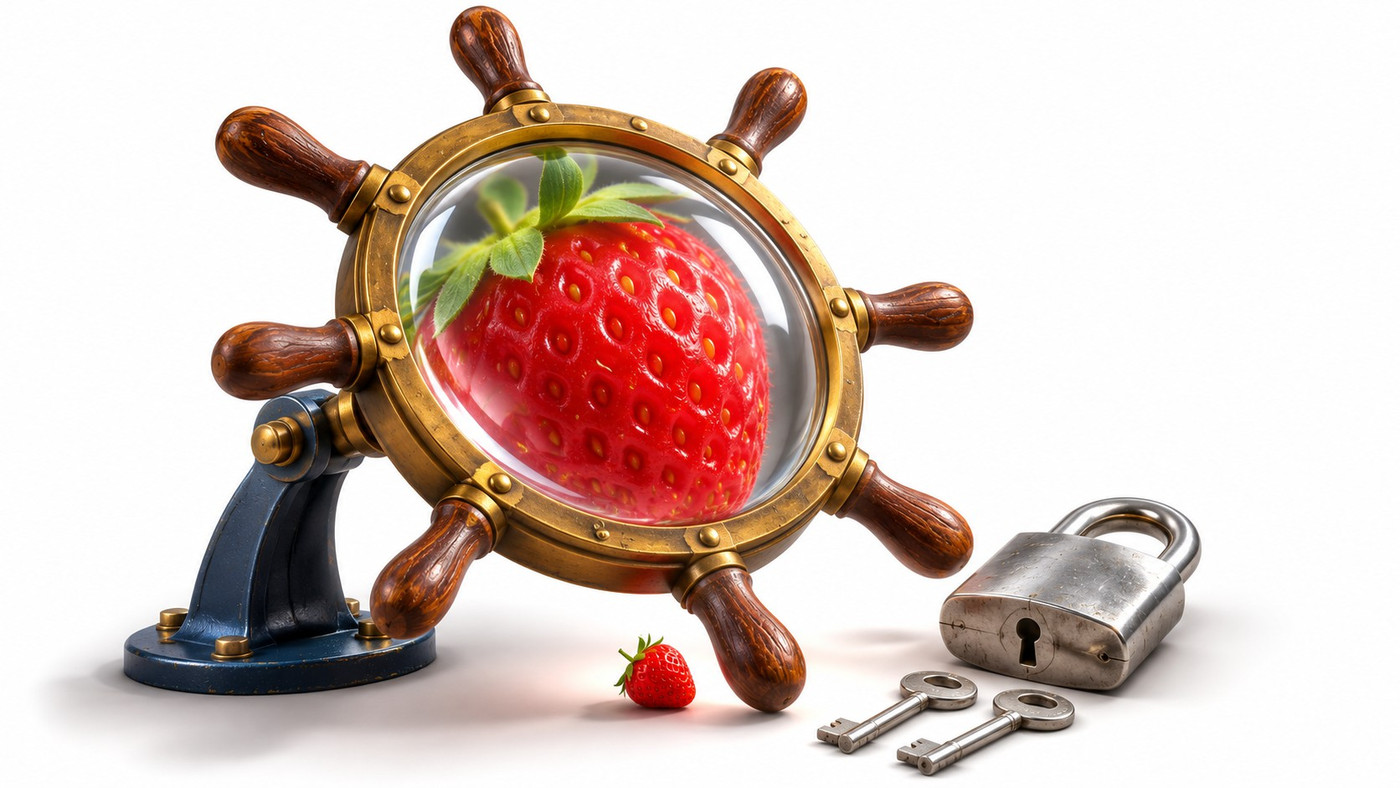
A missing gallon of strawberries became a symbol of paranoia and obsessive control in Herman Wouk's 1951 novel The Caine Mutiny. Captain Philip Francis Queeg, commanding a U.S. Navy vessel during World War II, launches an elaborate investigation into the disappearance, convinced that a duplicate key was used in the theft. His increasingly irrational behavior raises doubts about his fitness to command, eventually contributing to a dramatic mutiny and court-martial. In the acclaimed 1954 film adaptation, Humphrey Bogart portrayed Queeg, memorably rolling steel balls in his hand while delivering a rambling courtroom defense of his suspicions. The performance earned Bogart an Academy Award nomination and made Queeg an enduring fictional example of how rigid authority, insecurity, and suspicion can undermine leadership.
Dolores Umbridge turned pink cardigans, kitten decorations, and polite smiles into the terrifying disguise of authoritarian cruelty. Introduced in J.K. Rowling's Harry Potter and the Order of the Phoenix, the ambitious Ministry of Magic bureaucrat uses official rules and institutional authority to humiliate, control, and physically punish Hogwarts students, even forcing Harry to carve 'I must not tell lies' into his own hand. Unlike openly sinister villains, Umbridge presents her sadism as a commitment to law and order, making her a powerful fictional symbol of petty tyranny disguised as administrative duty. Rowling deliberately derived her surname from 'umbrage,' meaning offense, to reflect her rigid worldview and inability to tolerate dissent.

A fictional guitar amplifier that went up to eleven instead of ten gave the English language a lasting expression for pushing something beyond its usual limits. In the 1984 rock mockumentary This Is Spinal Tap, guitarist Nigel Tufnel, played by Christopher Guest, proudly demonstrates his Marshall amplifier's volume controls, insisting that eleven must be louder simply because the number is higher. The absurd joke became so influential that the phrase 'up to eleven' entered the Shorter Oxford English Dictionary in 2002, meaning 'up to maximum volume.' What began as a satire of rock musicians' obsession with excess evolved into a widely recognized metaphor for taking anything to its extreme.

Three-dimensional chess became a metaphor for strategies so intricate that ordinary chess seems almost too simple, but the expression was used decades before Star Trek made the futuristic game famous. Real three-dimensional chess variants existed by the early twentieth century, with pieces moving across multiple levels rather than a single board. By the 1940s, writers were comparing complicated military logistics and wartime operations to three-dimensional chess. The original Star Trek series later popularized the striking image of Captain Kirk and Mr. Spock competing on a multi-level chessboard in 1966. Today, the metaphor describes political maneuvering, diplomacy, and elaborate plans in which every decision must anticipate consequences and counterstrategies on several interconnected levels.

Hedge-fund rivalry becomes a battle for survival in the television drama Billions, where billionaire investor Bobby Axelrod compares financial competition to prehistoric hunting and the deadly contests of Highlander. In the 2016 episode 'Naming Rights,' he sends his traders searching for profitable opportunities with the command 'hunt or gather,' then confronts a rival fund manager attempting to lure away one of his investors. Axelrod invokes Highlander, the fantasy film in which immortal warriors fight until only one remains, to portray a business culture obsessed with outperforming and defeating competitors. His boast of a 32% investment return reinforces the episode's central tension between aggressive profit-seeking, cautious risk management, and the relentless pressure to prove one's superiority.

A notorious Mafia boss became known as the 'Teflon Don' because criminal charges seemed to slide off him like food from a nonstick pan. John Gotti, the flamboyant leader of New York's Gambino crime family, earned the nickname after repeatedly escaping conviction in high-profile trials during the 1980s, aided by witness intimidation and jury tampering. His apparent invincibility collapsed on April 2, 1992, when he was convicted on 13 charges, including ordering two murders. Celebrating the verdict, the head of the FBI's New York office joked that Gotti was now covered in Velcro and every charge had stuck. The once-untouchable mobster spent the rest of his life behind bars, dying in prison in 2002.
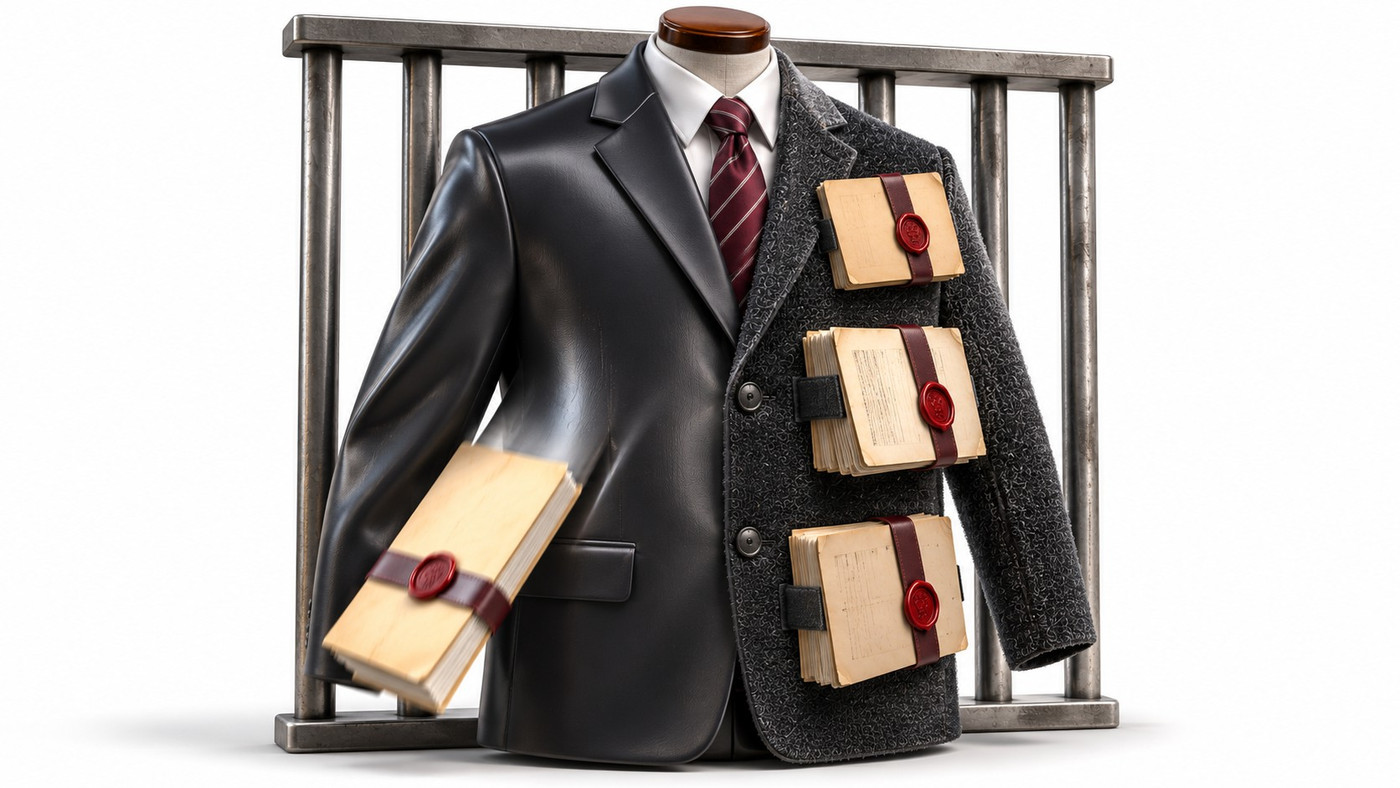
The word 'bankster' combines 'banker' and 'gangster' into a biting accusation against financiers perceived as dishonest, predatory, or criminal. The term emerged during the Great Depression of the 1930s and experienced a revival following the global financial crisis of 2008, when bank bailouts, financial scandals, and allegations of market manipulation fueled public anger. By 2012, the expression had spread across European media, even appearing on the front page of the French newspaper Libération. Its popularity illustrates how financial misconduct and public distrust can transform a simple linguistic invention into a powerful symbol of resentment toward the banking establishment.

A pair of white shoes became an unlikely symbol of America's corporate aristocracy. The term 'white-shoe' originated from the white buckskin shoes fashionable among wealthy Ivy League students in the mid-twentieth century, many of whom later entered prestigious Wall Street law firms, investment banks, and other elite institutions. By the 1960s, 'white-shoe firm' described conservative, long-established businesses traditionally dominated by wealthy White Anglo-Saxon Protestant men. These institutions often excluded Jewish and Catholic professionals, helping create a parallel network of competing law firms. As discriminatory barriers gradually weakened, the expression lost much of its original social exclusivity but remained a recognizable label for prestigious, traditional American legal and financial establishments.