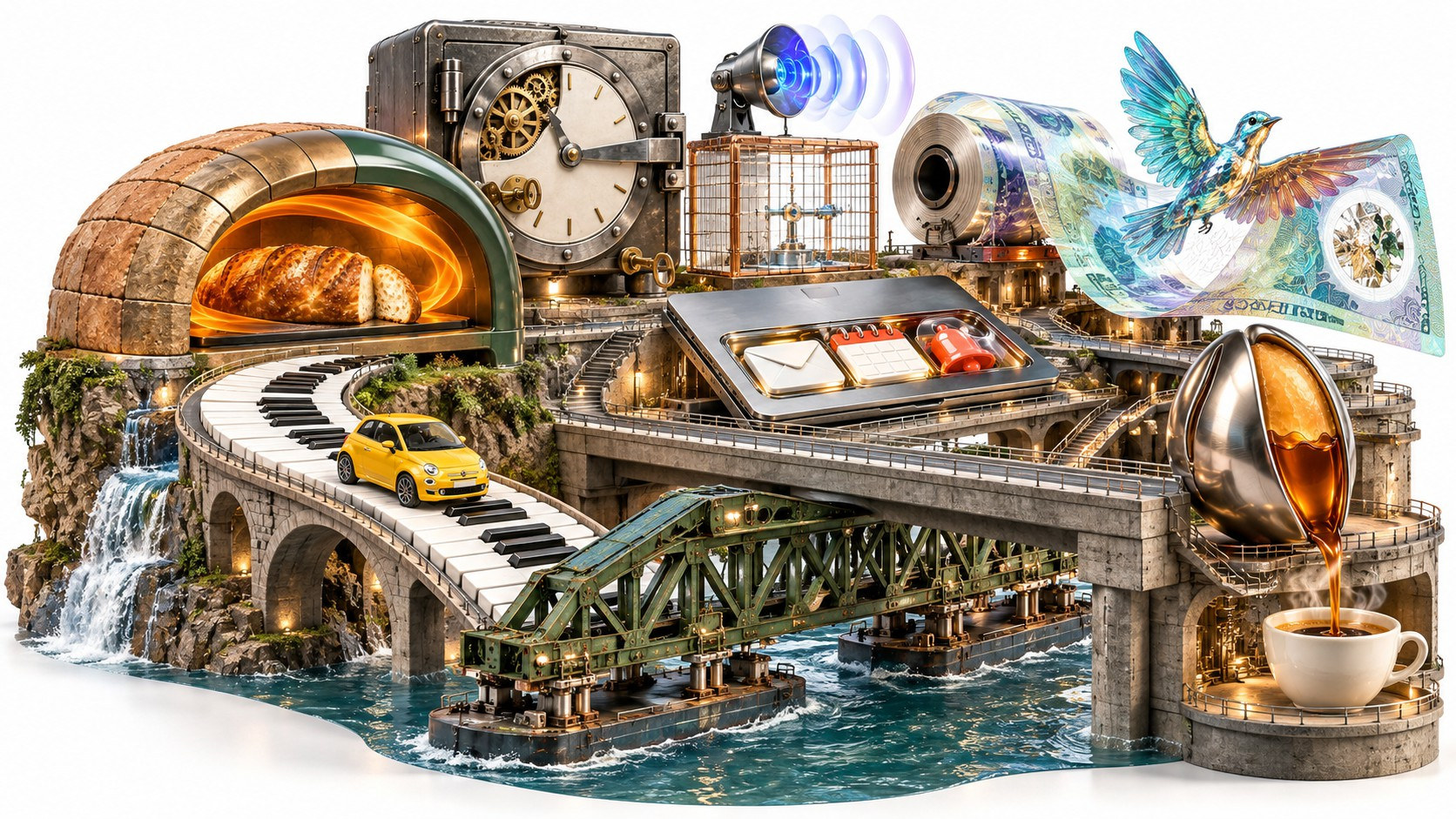
Ingenious engineering gives familiar objects unexpected abilities: roads sing, steel coffee beans store heat, and vaults refuse even the right key.
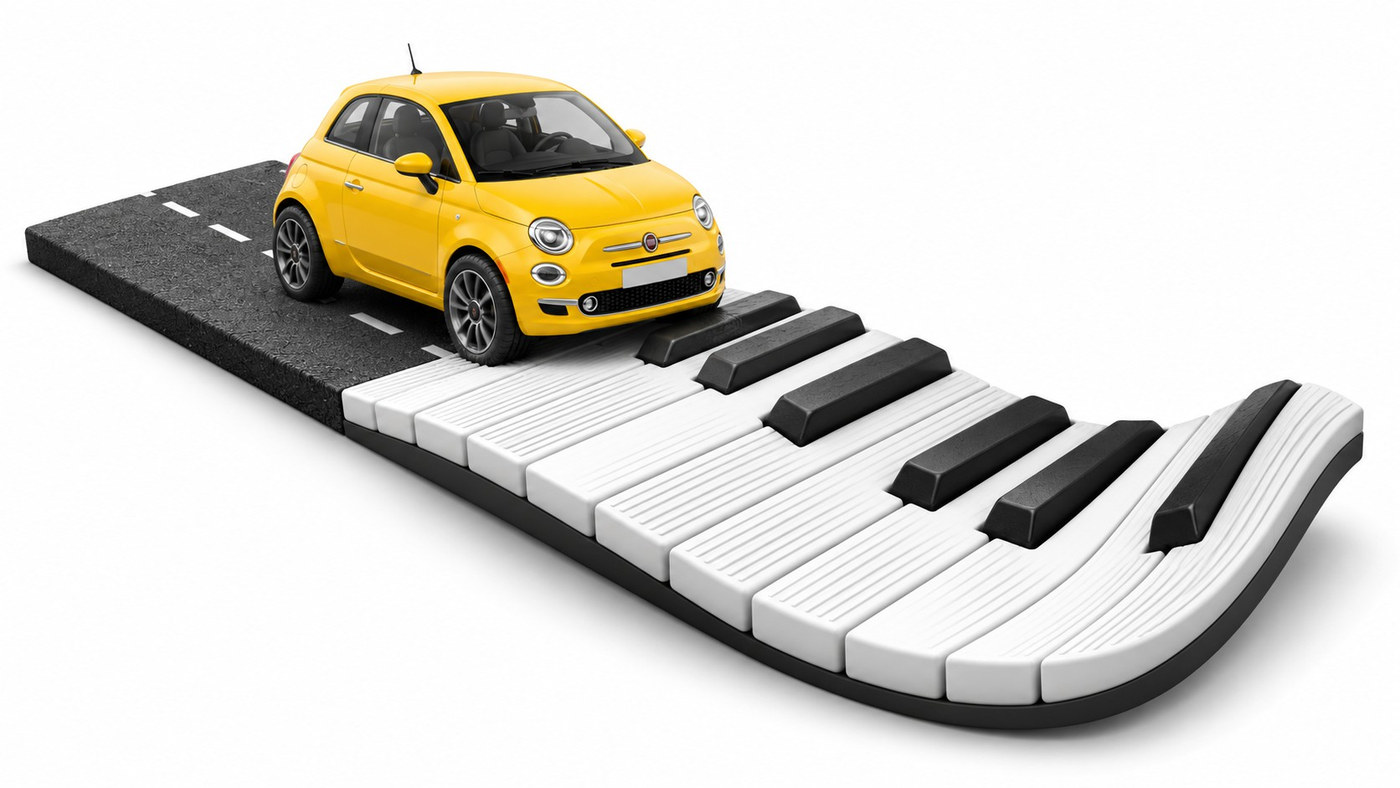
Some roads literally sing when cars drive over them: precisely spaced grooves make tires vibrate at different pitches, transforming an ordinary journey into a musical performance. The world's first known musical road, the Asphaltophone, was created by two Danish artists in 1995. In Japan, engineer Shizuo Shinoda independently discovered the musical potential of damaged pavement, leading to the country's first Melody Road in 2007. Its 175-meter stretch played a recognizable Japanese song when driven at 40 km/h, inspiring further installations that turn obeying the speed limit into an entertaining experience.
Coffee Joulies are oversized stainless steel coffee beans that use the physics of melting and solidification to regulate a drink's temperature without electricity. Created by engineers Dave Petrillo and Dave Jackson, each bean contains a special phase-change material that melts at approximately 60°C (140°F), absorbing excess heat from freshly brewed coffee and helping it cool to a comfortable drinking temperature. As the coffee gradually cools below that threshold, the material solidifies and releases its stored thermal energy back into the drink, keeping it pleasantly warm for longer.

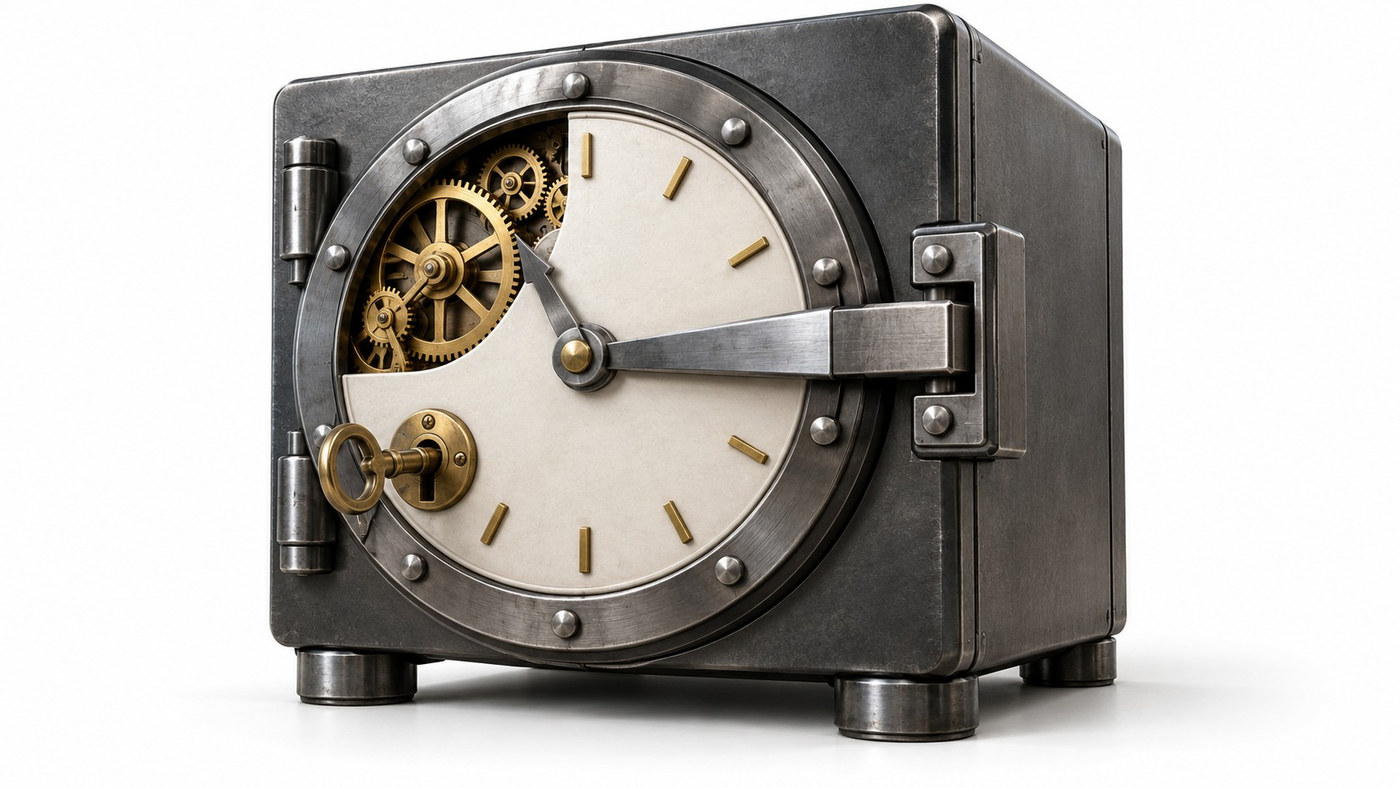
In 1874, a revolutionary bank vault lock made even the correct combination useless until a predetermined time had passed. Developed by James Sargent, the commercially successful Sargent & Greenleaf Model 2 used a clockwork mechanism to physically block a safe's locking bolts, preventing anyone from opening it before the timer released them. This innovation addressed a terrifying weakness in nineteenth-century banking security: criminals had begun kidnapping bank managers and forcing them to unlock their vaults. With a time lock installed, even a threatened employee could not open the safe outside the permitted hours, transferring control from a vulnerable human to an uncompromising mechanical device.
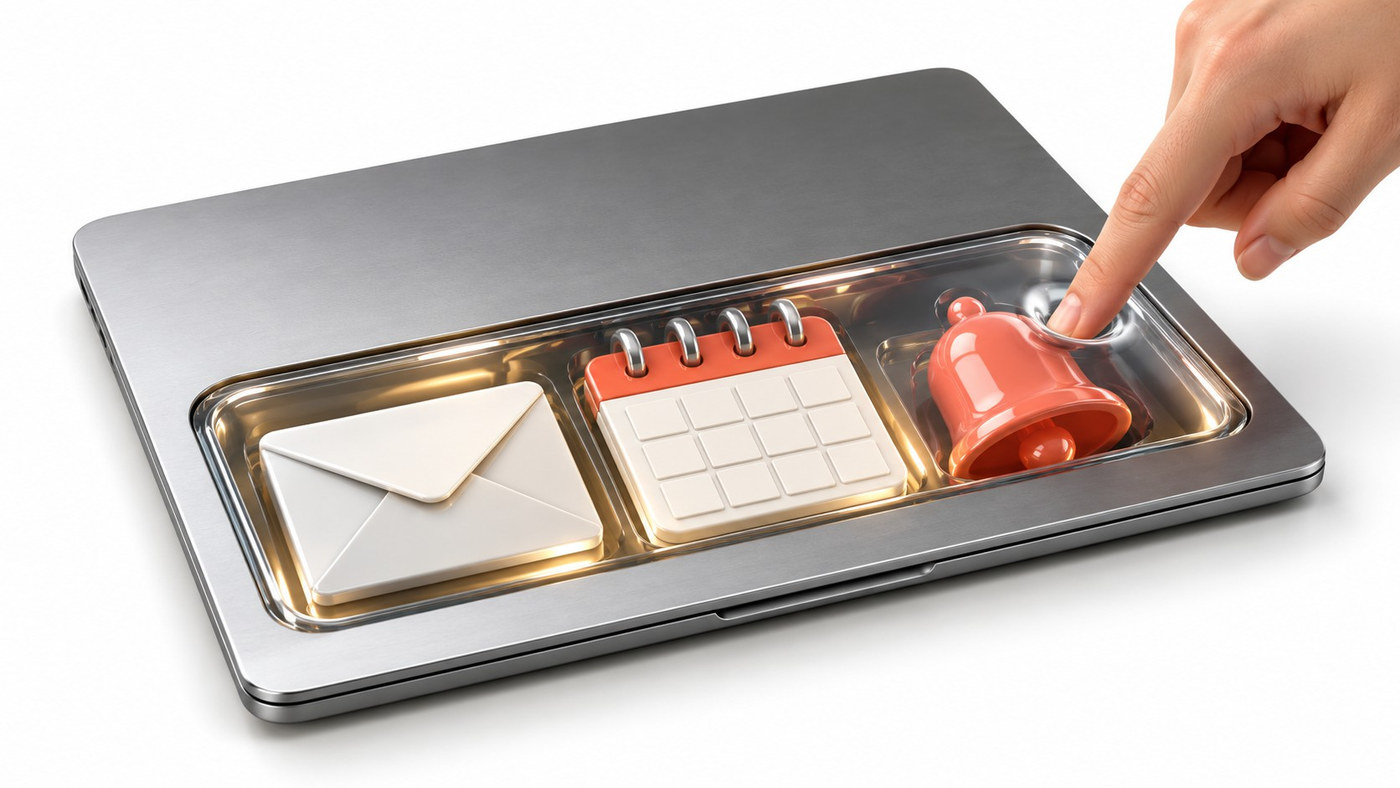
In 2012, Intel demonstrated a laptop that could display emails, calendar updates, and social media notifications even while its lid was closed. Called Nikiski, the experimental notebook featured a wide, transparent glass touchpad that doubled as a window into roughly one-third of its screen. When open, the glass functioned as a conventional trackpad, using palm-rejection technology to prevent accidental cursor movements while typing. When closed, it became a touch-sensitive interface for checking messages and navigating information without opening the computer. Although its interface resembled Windows 8, the prototype actually ran Windows 7, demonstrating an unusual approach to making a closed laptop interactive.
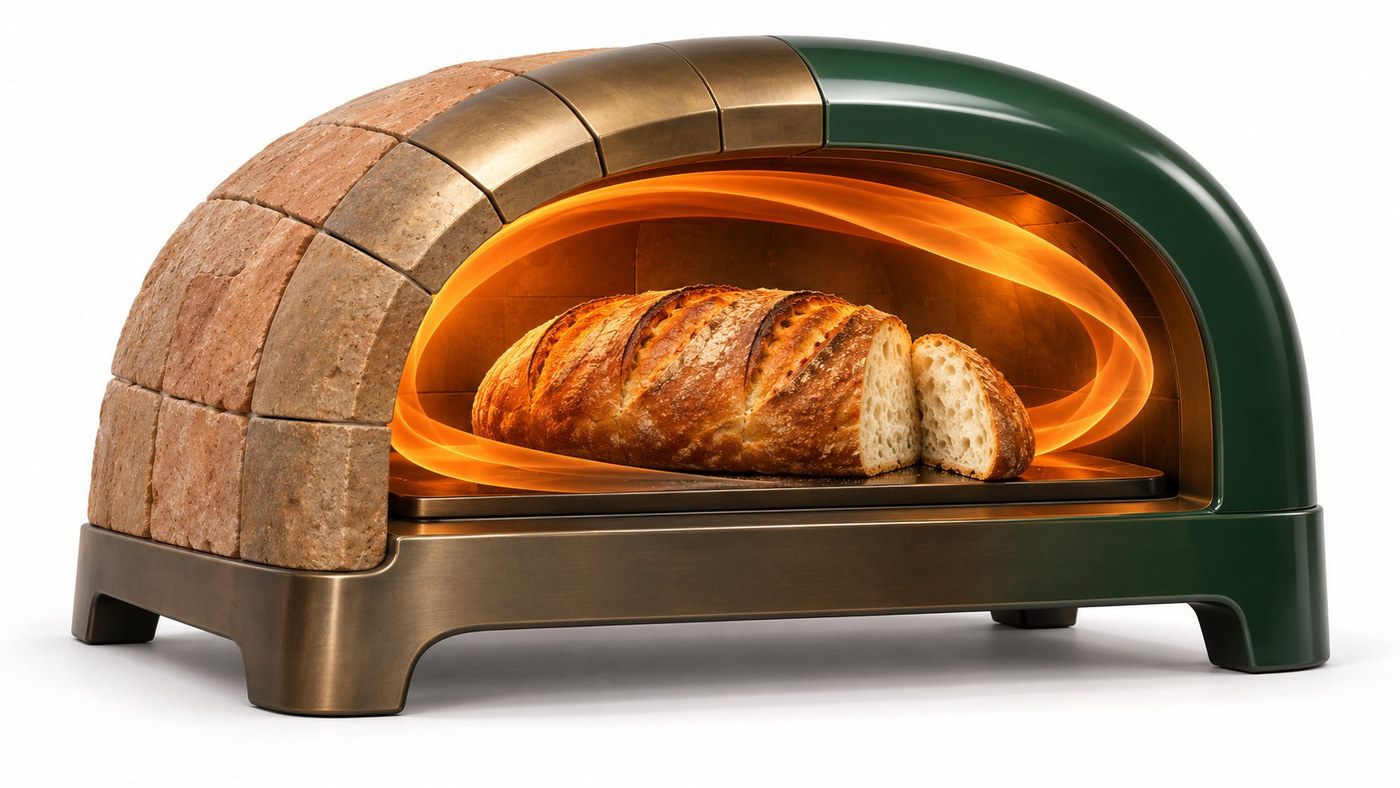
The vaulted tunnels of the Paris Metro inspired an unusual culinary invention in 1908: French inventor Albert Dupuy designed a gas oven with an arched ceiling that allowed hot air to circulate naturally and evenly around food. Unlike conventional flat-topped ovens, his patented design helped create a crisp exterior while preserving the moisture and flavors inside. This architectural inspiration became the defining feature of La Cornue, the French luxury kitchen range manufacturer. More than a century later, its prestigious Château ranges are still individually handcrafted by skilled artisans in workshops near Paris, preserving the tradition that began with Dupuy's innovative oven.
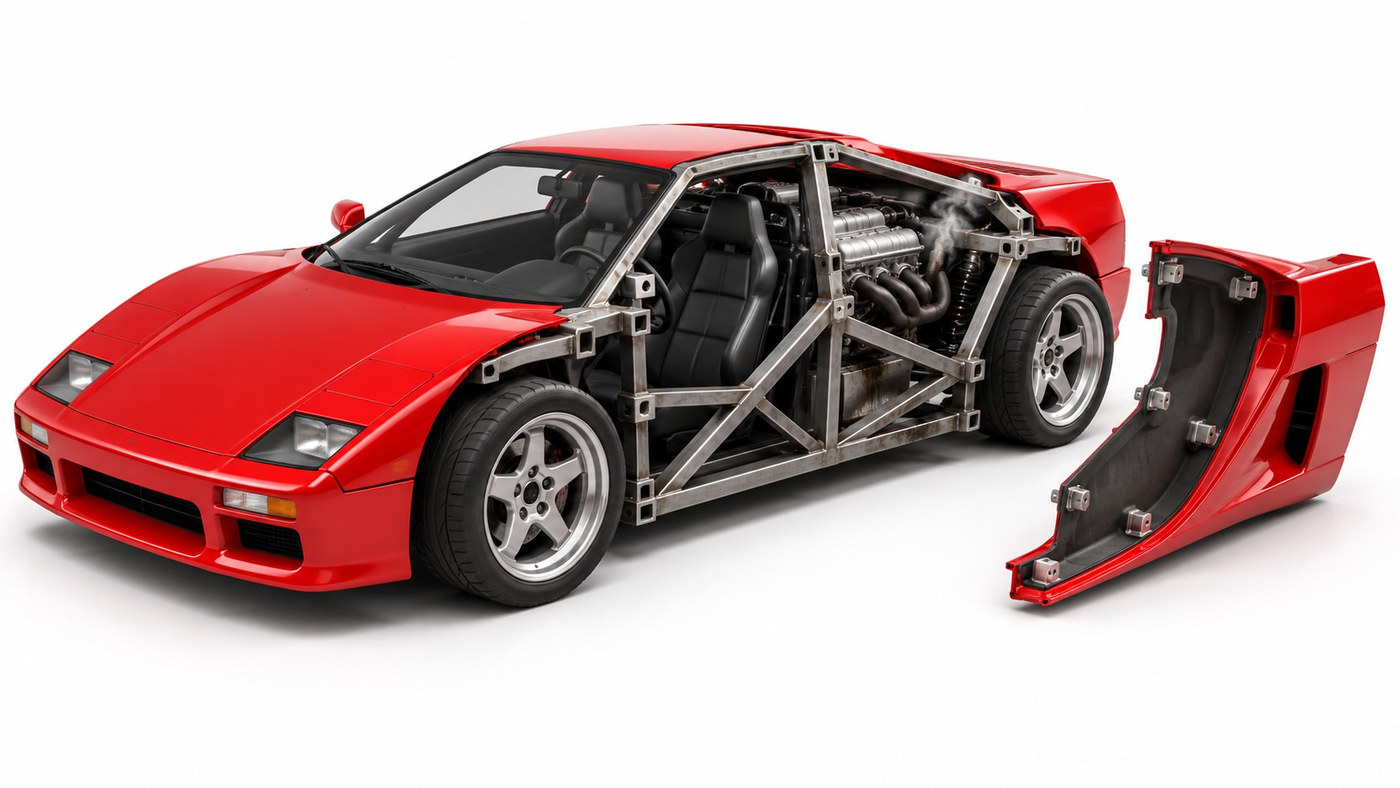
The Pontiac Fiero was a sports car whose entire exterior could be removed without dismantling its underlying structure. Produced by General Motors from 1984 to 1988, this affordable American mid-engine two-seater featured an innovative welded steel space frame covered with detachable plastic body panels. Unlike conventional car bodies, these panels carried no structural loads and could be unbolted and replaced individually, making repairs and dramatic redesigns unusually straightforward. However, the engineering experiment had a troubled history: early models suffered from oil leaks, defective connecting rods, and engine fires caused by combustible fluids contacting hot exhaust components. The resulting safety recalls damaged the Fiero's reputation, and production ended in 1988, just as improvements were bringing the car closer to its original sporting ambitions.
Australian banknotes contain remarkable optical illusions: tilt one and a bird appears to flap its wings and change colour, while a printed number can disappear and reappear facing backwards. These effects are part of a sophisticated security system built into polymer banknotes, which Australia pioneered to make counterfeiting more difficult. Transparent windows contain embossed images and intricate optical features, while intaglio printing creates raised ink that can be felt with the fingertips. Other protections include microscopic lettering, precisely aligned patterns that form a seven-pointed star when held against the light, and fluorescent details visible under ultraviolet illumination. Together, these features turn the banknote's material, texture, and changing appearance into multiple layers of protection against forgery.
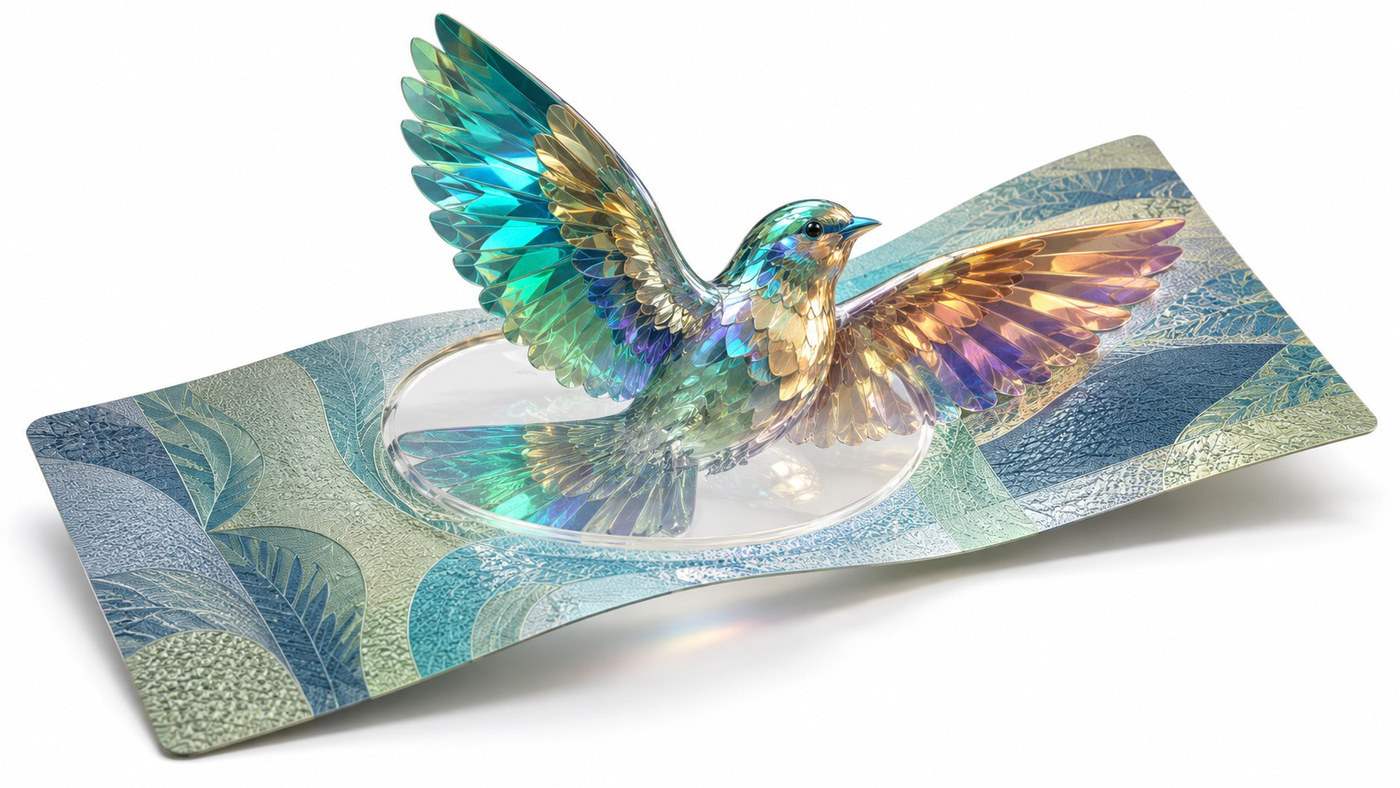
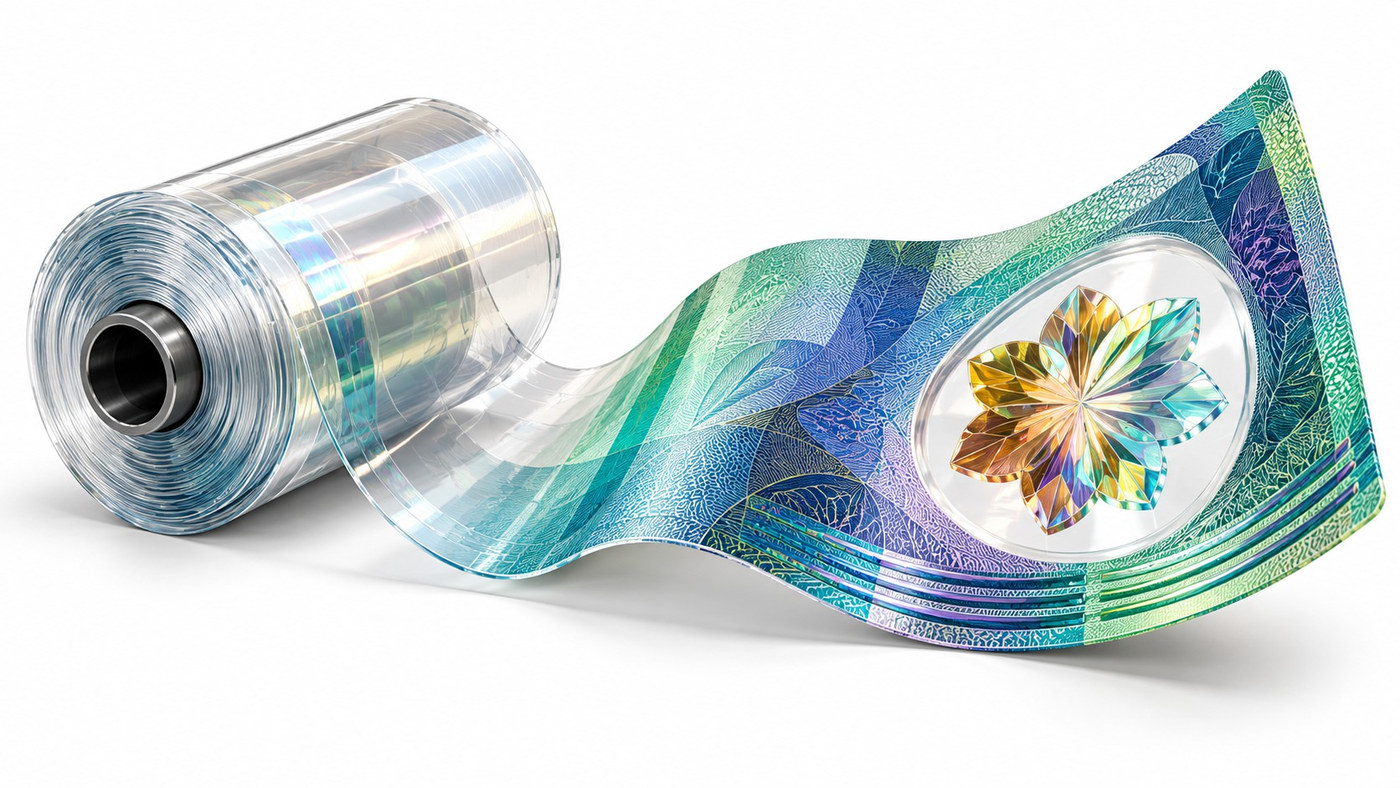
Some modern banknotes begin not as paper, but as molten polypropylene stretched into an incredibly thin, transparent plastic film. This material, known as biaxially oriented polypropylene (BOPP), allows currency designers to incorporate security features that conventional paper cannot accommodate in the same way. During production, opaque coatings are applied while selected areas remain transparent, creating windows that can contain intricate optical effects. Australia's polymer banknotes take this technology further with colour-shifting pigments arranged using magnetic fields, embossed tactile features, and microscopic printing. These innovations make the notes harder to counterfeit while improving their resistance to moisture, dirt, and everyday wear.
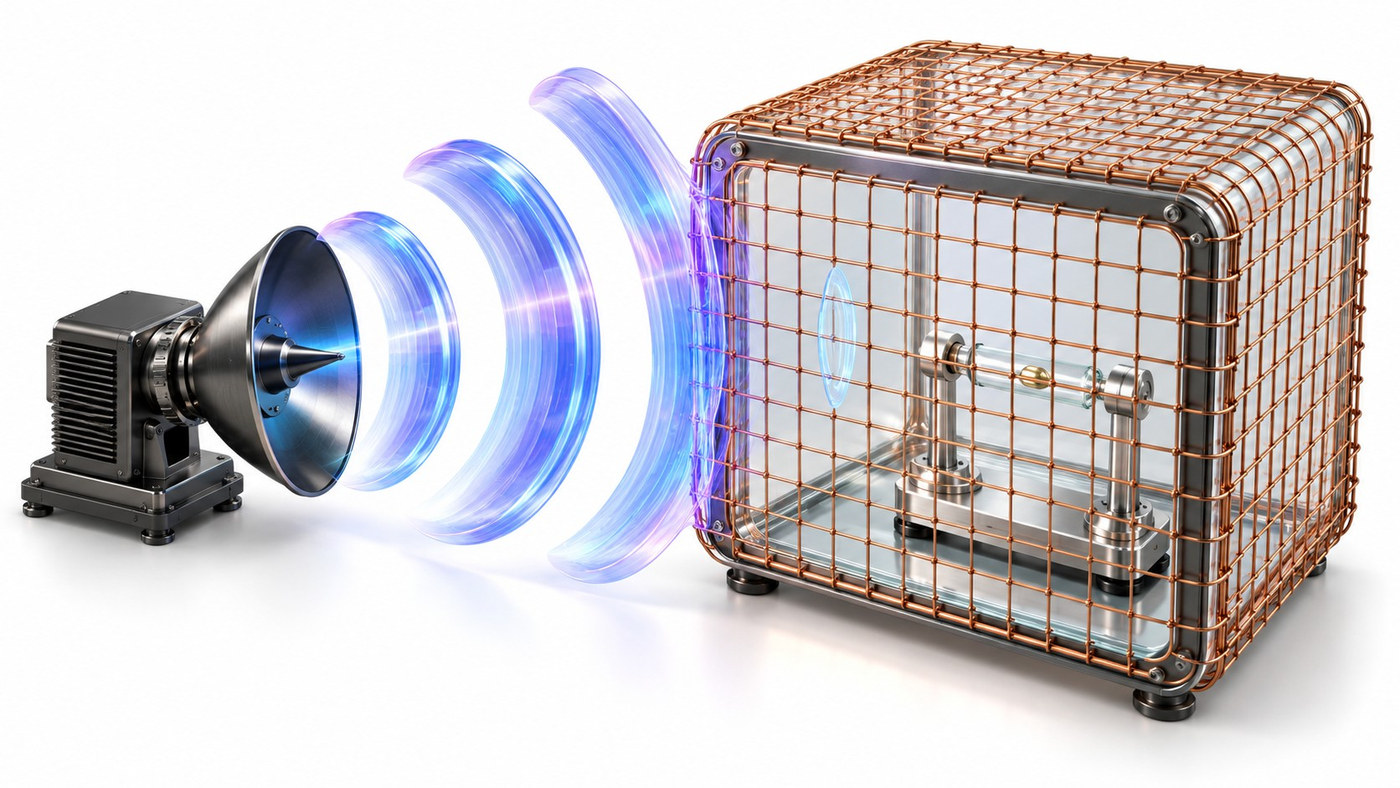
A simple layer of copper mesh reduced unwanted radio-frequency energy inside a research laboratory by a factor of 100, demonstrating the remarkable power of a Faraday cage. Named after physicist Michael Faraday, who demonstrated the principle in the 1830s using a room lined with metal foil, these conductive enclosures shield their interiors from external electric fields and can greatly weaken electromagnetic radiation. At the National High Magnetic Field Laboratory in Florida, scientists discovered that radio signals were entering through ordinary glass windows and disrupting sensitive experiments. Covering the windows with fine copper mesh dramatically reduced the interference. Faraday cages can range from small containers to entire buildings, although their effectiveness depends on the shielding material, construction, and frequency of the electromagnetic waves.
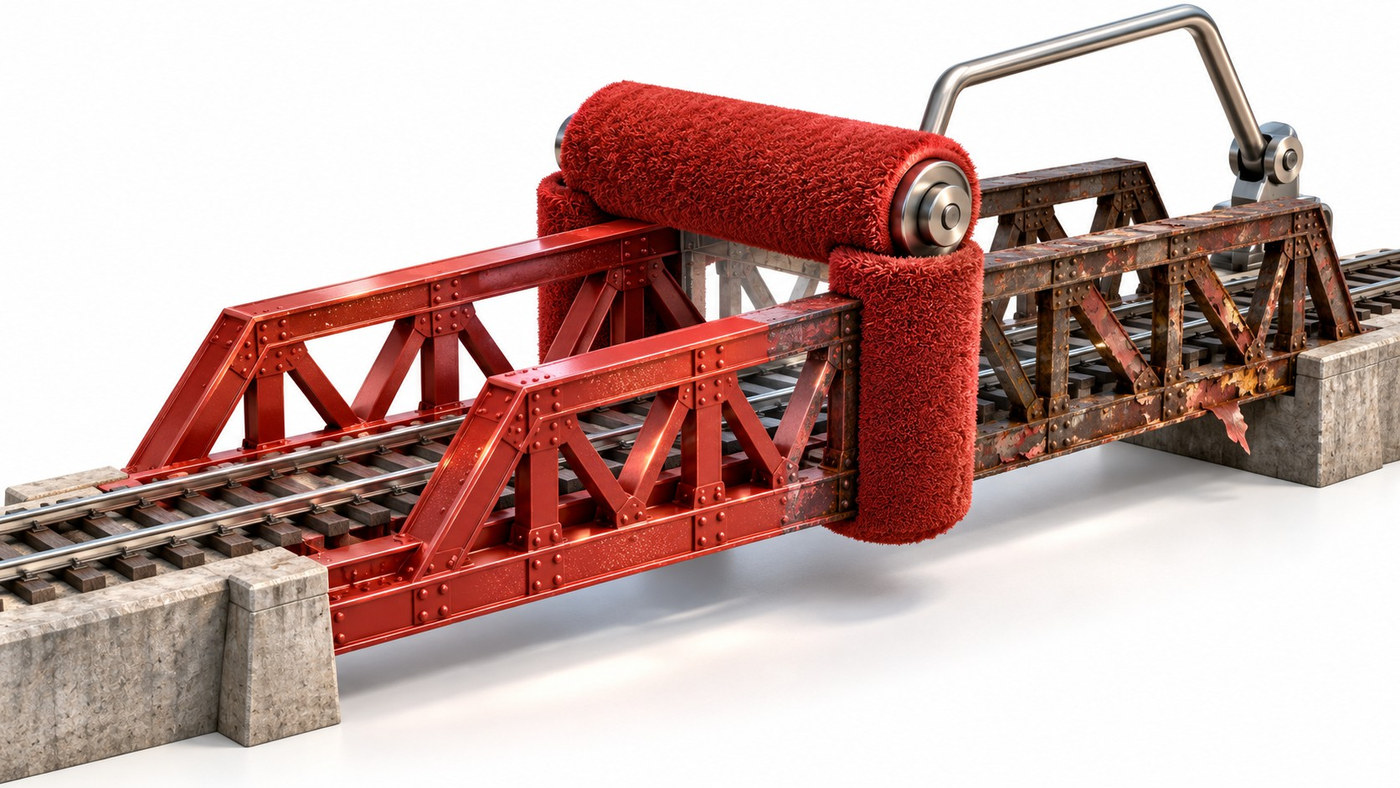
For more than a century, painting Scotland's Forth Bridge became such a symbol of endless work that the phrase 'painting the Forth Bridge' entered British English to describe a task that never seems to finish. Opened in 1890, the enormous 2.47-kilometre railway bridge was constantly exposed to harsh coastal weather, requiring extensive maintenance to protect its steel structure from corrosion. In December 2011, a remarkable ten-year restoration costing £130 million finally challenged that reputation. Workers stripped away old paint, treated more than 230,000 square metres of steel, and coated the bridge's 6.5 million rivets with a specialist glass-flake epoxy system originally developed for demanding offshore environments. Designed to last approximately 25 years, the new protective coating meant the bridge would no longer require the frequent large-scale repainting that had inspired its famous expression.
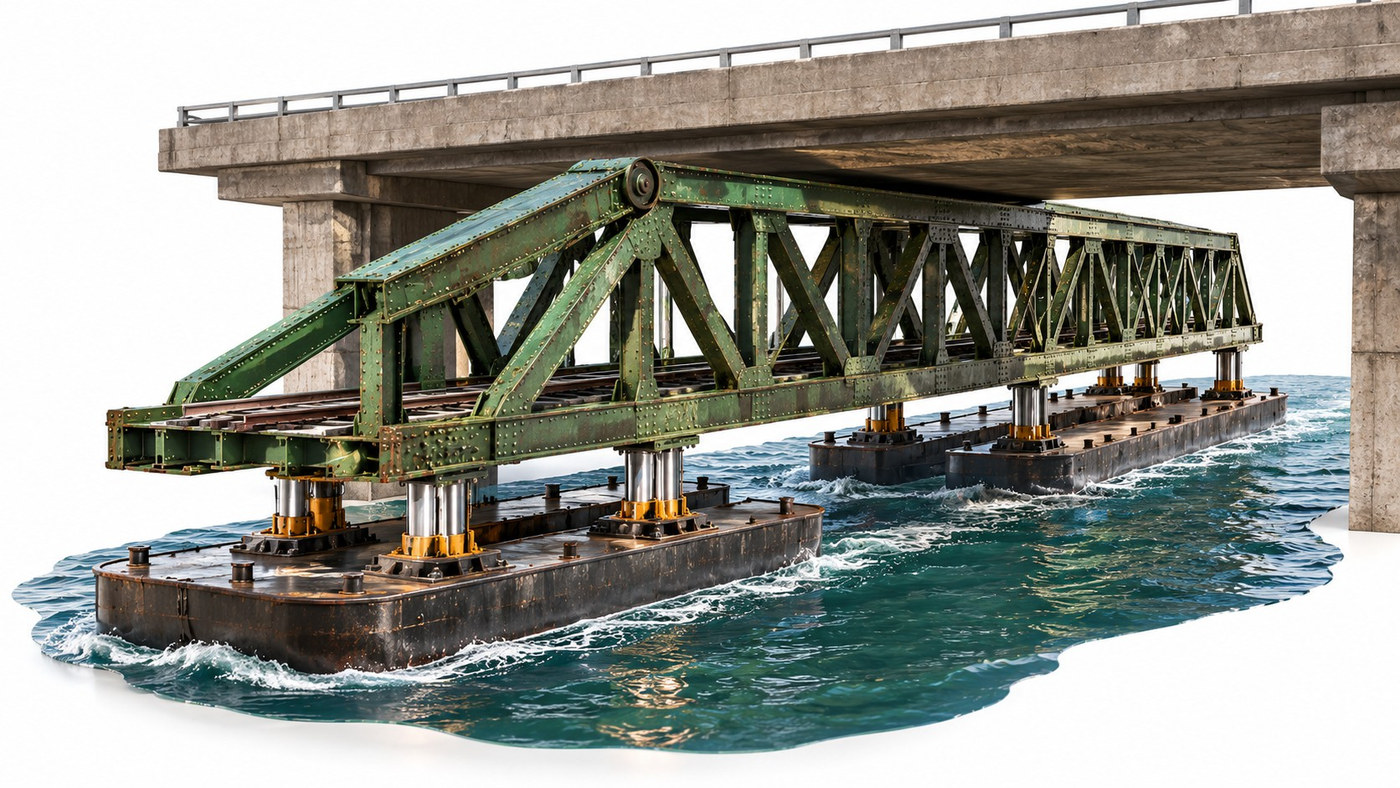
In 1927, engineers accomplished an extraordinary feat of recycling by floating two enormous steel bridge spans twelve miles downriver through Pittsburgh instead of demolishing them. Originally built in 1892 as part of the Sixth Street Bridge, the approximately 440-foot trusses were each transported on a specially assembled platform of barges to Coraopolis, Pennsylvania, where they became part of another bridge. The operation was exceptionally challenging: each span weighed roughly 1,600 tons and stood about 80 feet high, making passage beneath other bridges difficult. Engineers used powerful hydraulic jacks to lower the structures onto barges and temporarily modified their upper sections to clear obstacles. Reusing the old bridge reportedly saved Allegheny County approximately $350,000, demonstrating that even massive nineteenth-century infrastructure could be relocated and given a second life.